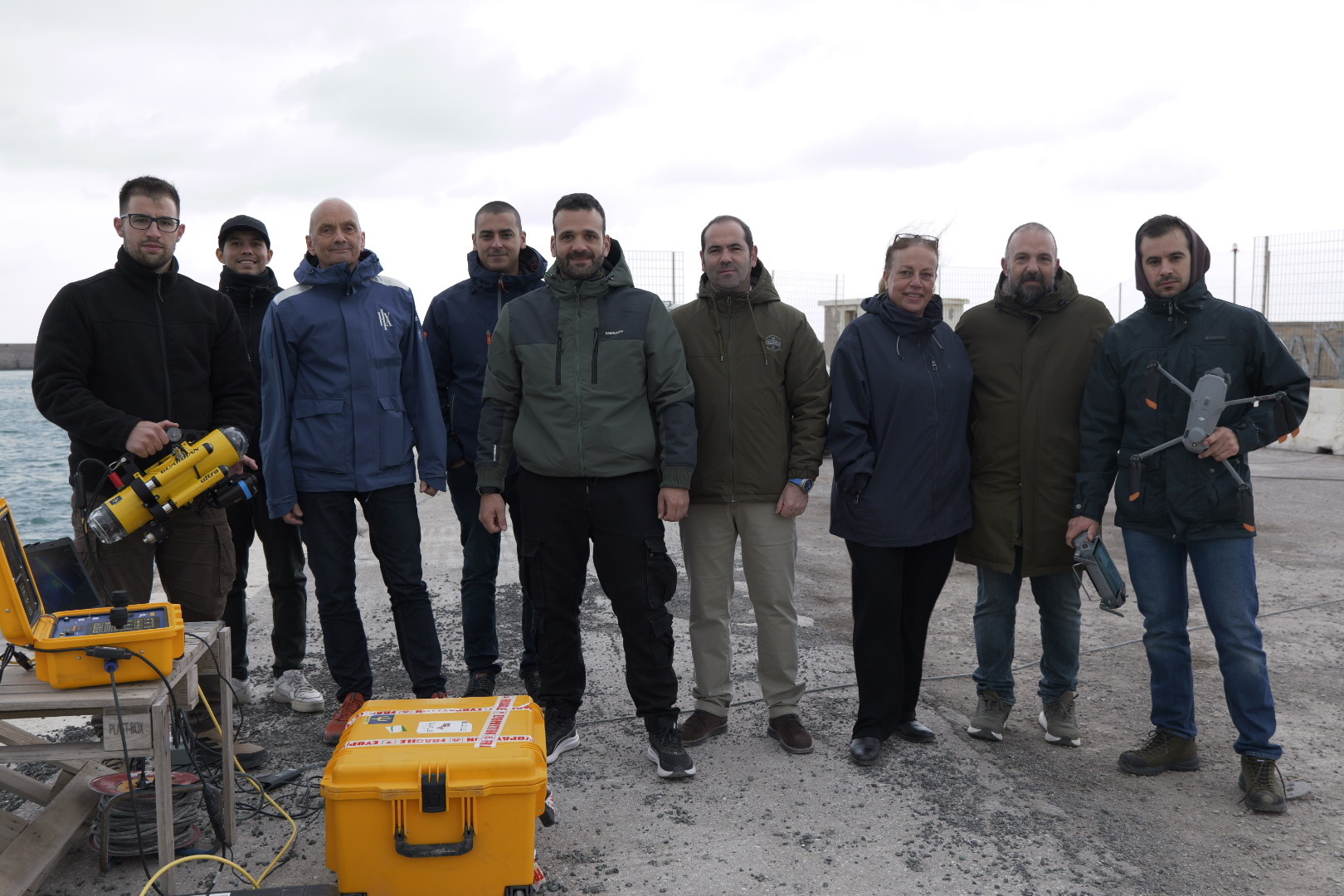
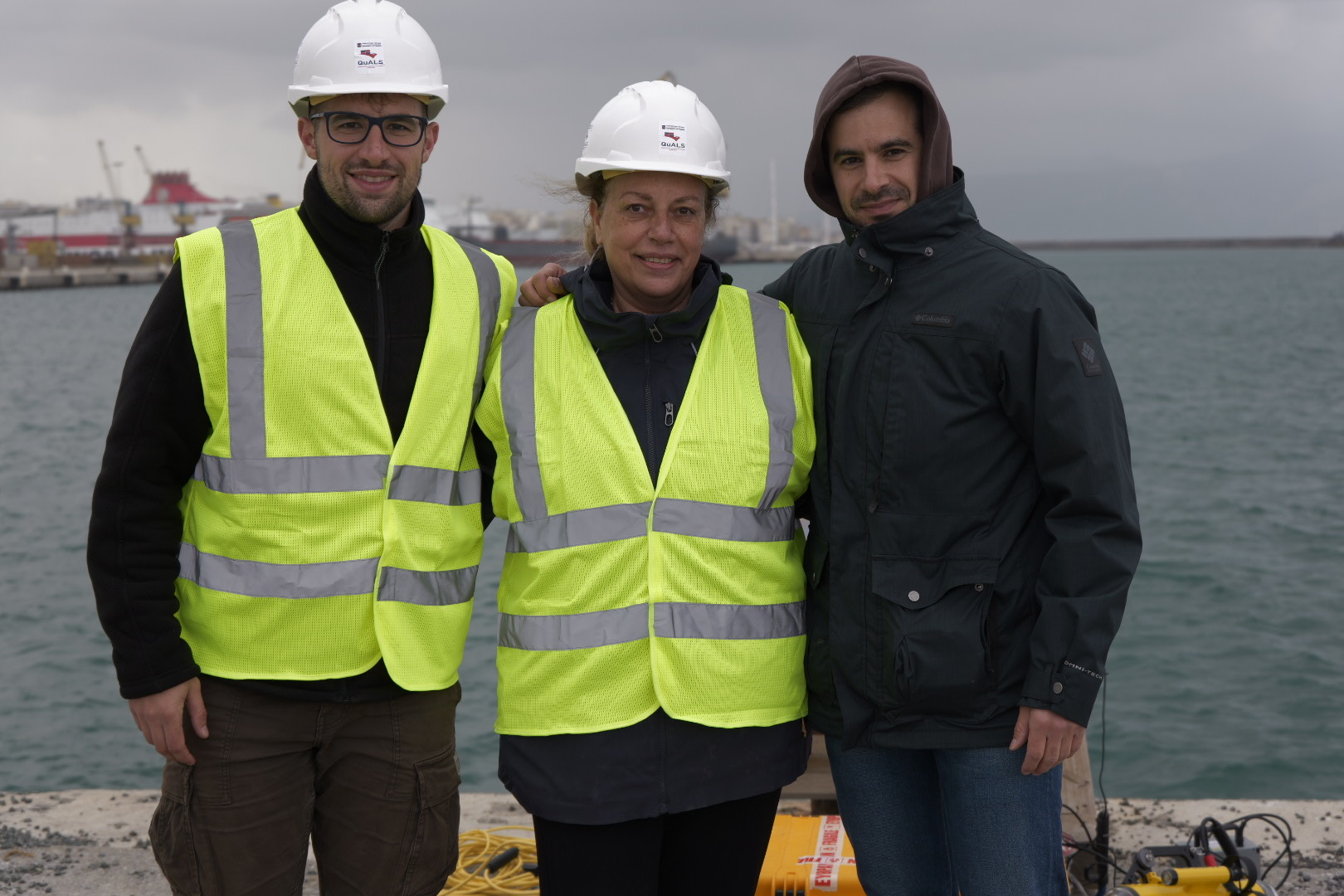
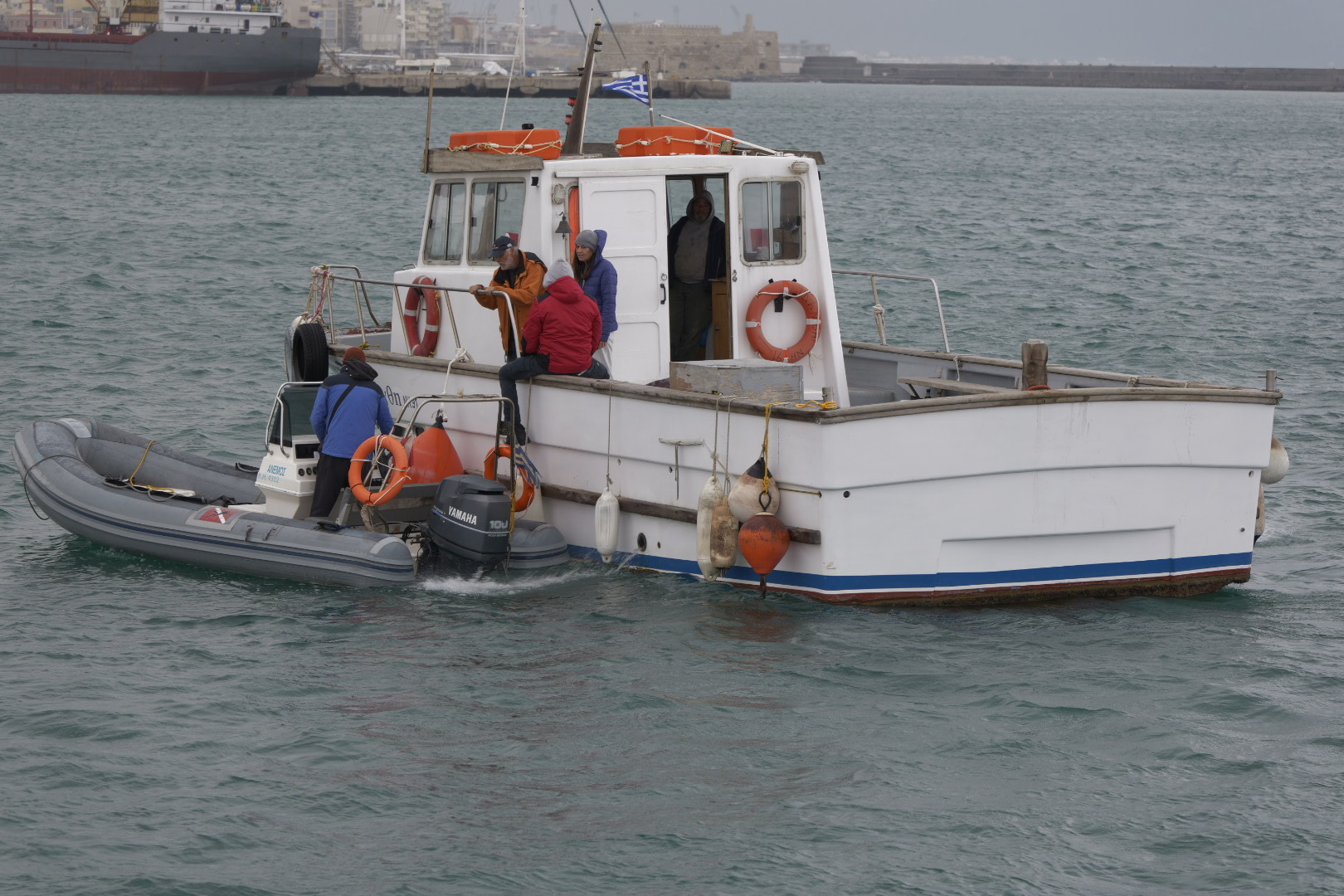
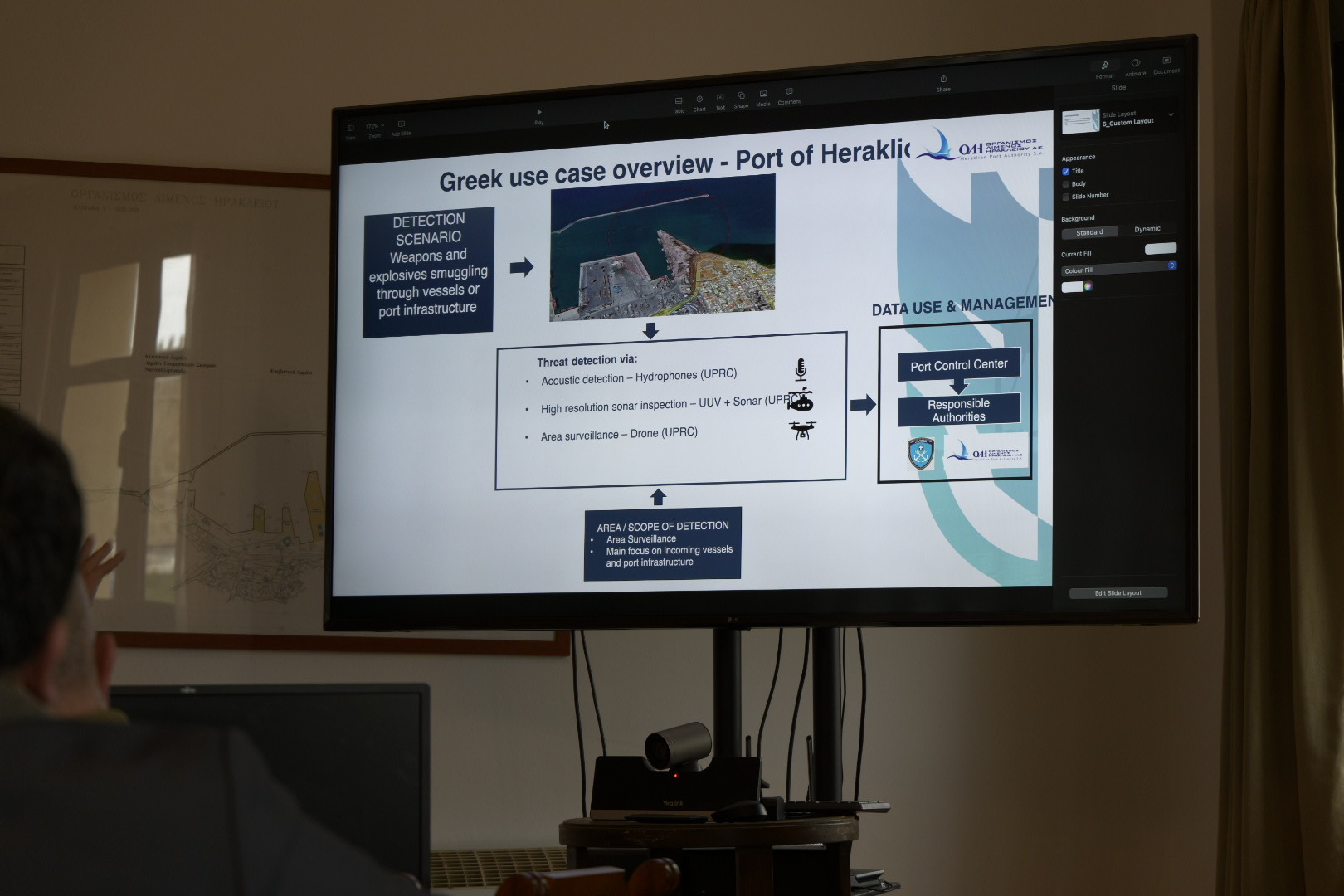
From Research to Implementation: The Heraklion Pilot
The Elefsis pilot, conducted on 16–17 March 2026, marks the successful
completion of the first use-case execution within the Greek pilot schedule, a milestone that brings the SMAUG vision decisively closer to
operational reality.
The Location
The Port of Heraklion, one of Greece’s most active passenger and
commercial gateways, provided the ideal stage for the second Greek
pilot. The Heraklion Port Authority enabled real-world operational
testing by granting access to critical port infrastructure, allowing the
SMAUG system to be deployed and validated under realistic conditions.
Following the Elefsis pilot, Heraklion faces underwater security
vulnerabilities that standard surveillance systems cannot address.
Although operationally different, both ports face similar underwater
security threats that current systems, focused mainly on land and
surface activities, fail to address. Past incidents in both locations
highlight vulnerabilities related to illicit underwater activities such as
concealed contraband, explosives, and unauthorised divers.
The Scenario
The objective: use the
wrecks as staging points to discreetly transport contraband into
the dockyard.
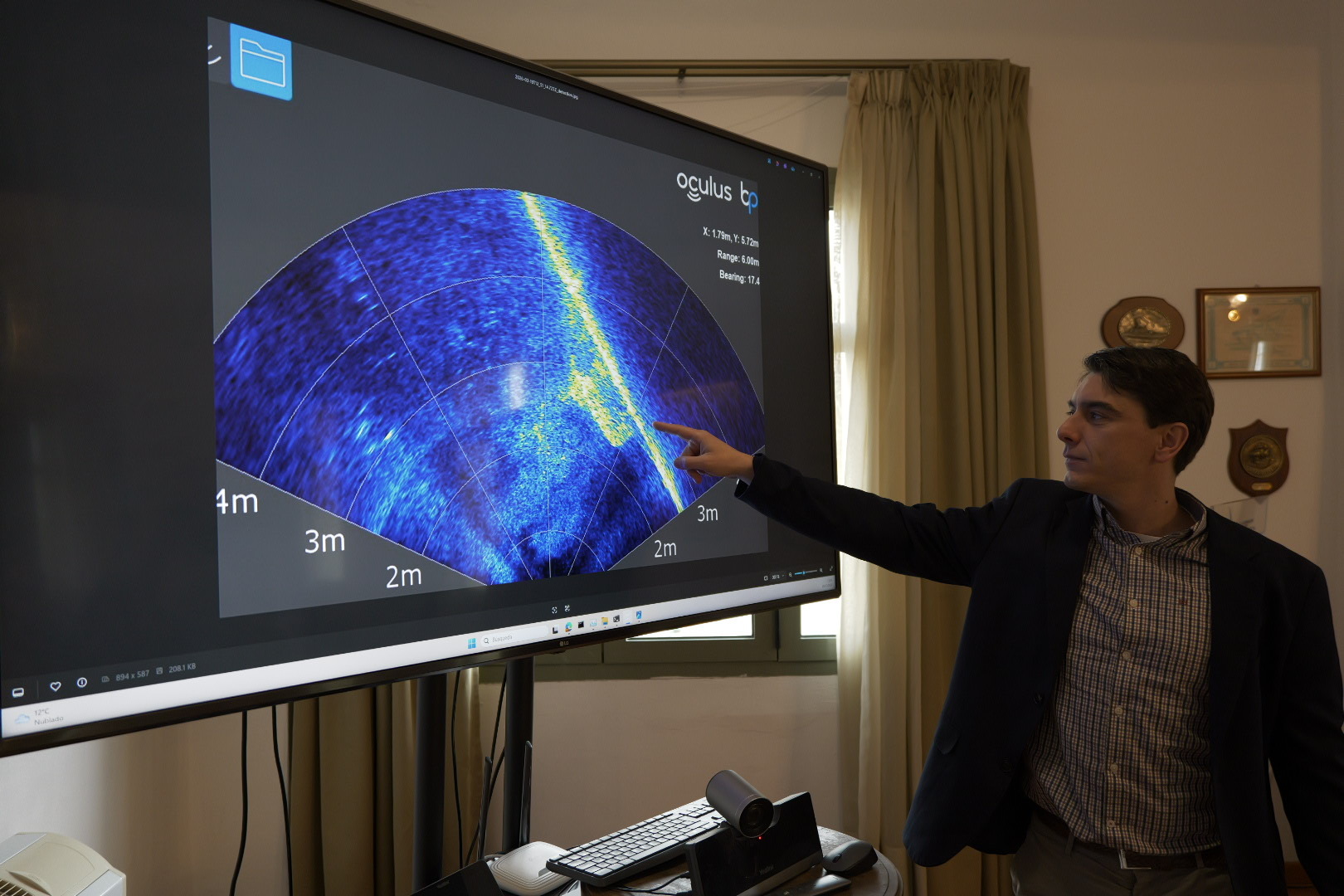
The pilot began with hydrophones, continuously monitoring the
underwater environment to detect unauthorised activity near sensitive
areas. These sensors, provided by the University of Piraeus Research
Center/ Quantitative Analysis in Shipping Laboratory, form part of the
pilot’s technological suite, which also includes UAVs, ROVs and sonar.
Additional hydrophones supplied by the Universidad Politécnica de
Madrid strengthened acoustic detection and signal analysis, improving
anomaly identification.
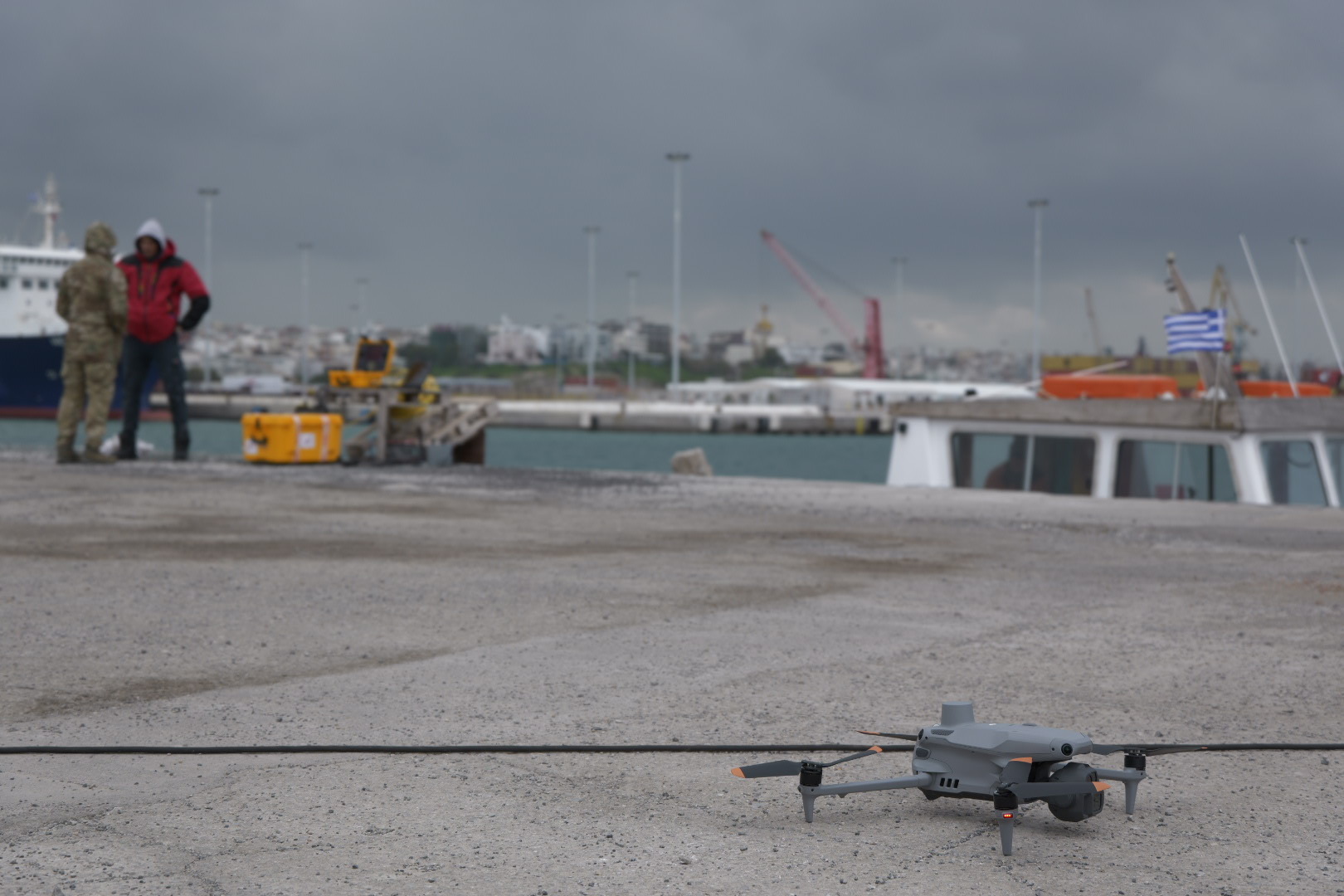
When an underwater acoustic anomaly was detected, a UAV was
dispatched to obtain an aerial view of the area, helping security
personnel assess suspicious movements or vessel activity. At the same
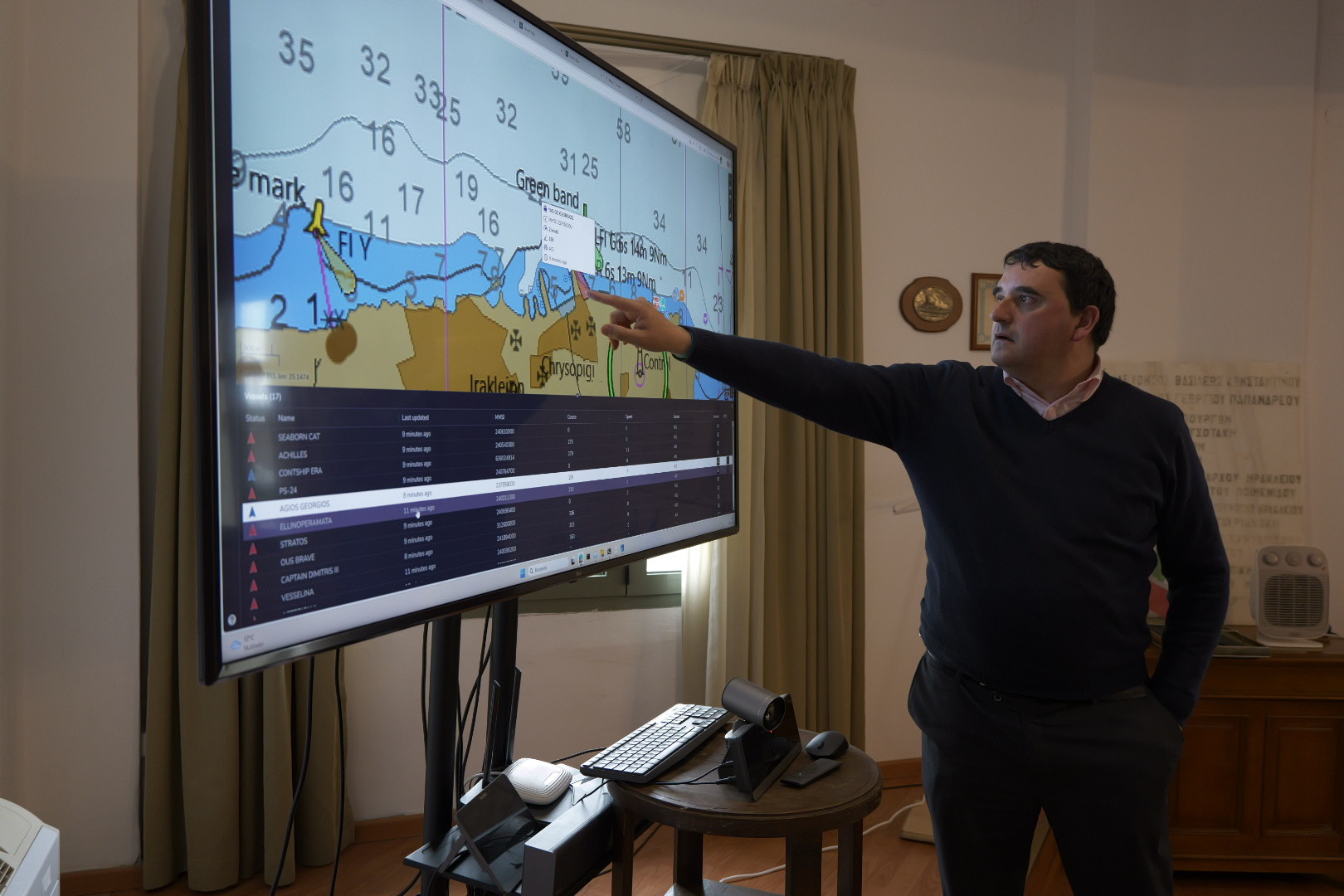
time, AIS data managed by ATHANOR supported situational awareness
by correlating detected events with vessel identities and trajectories.
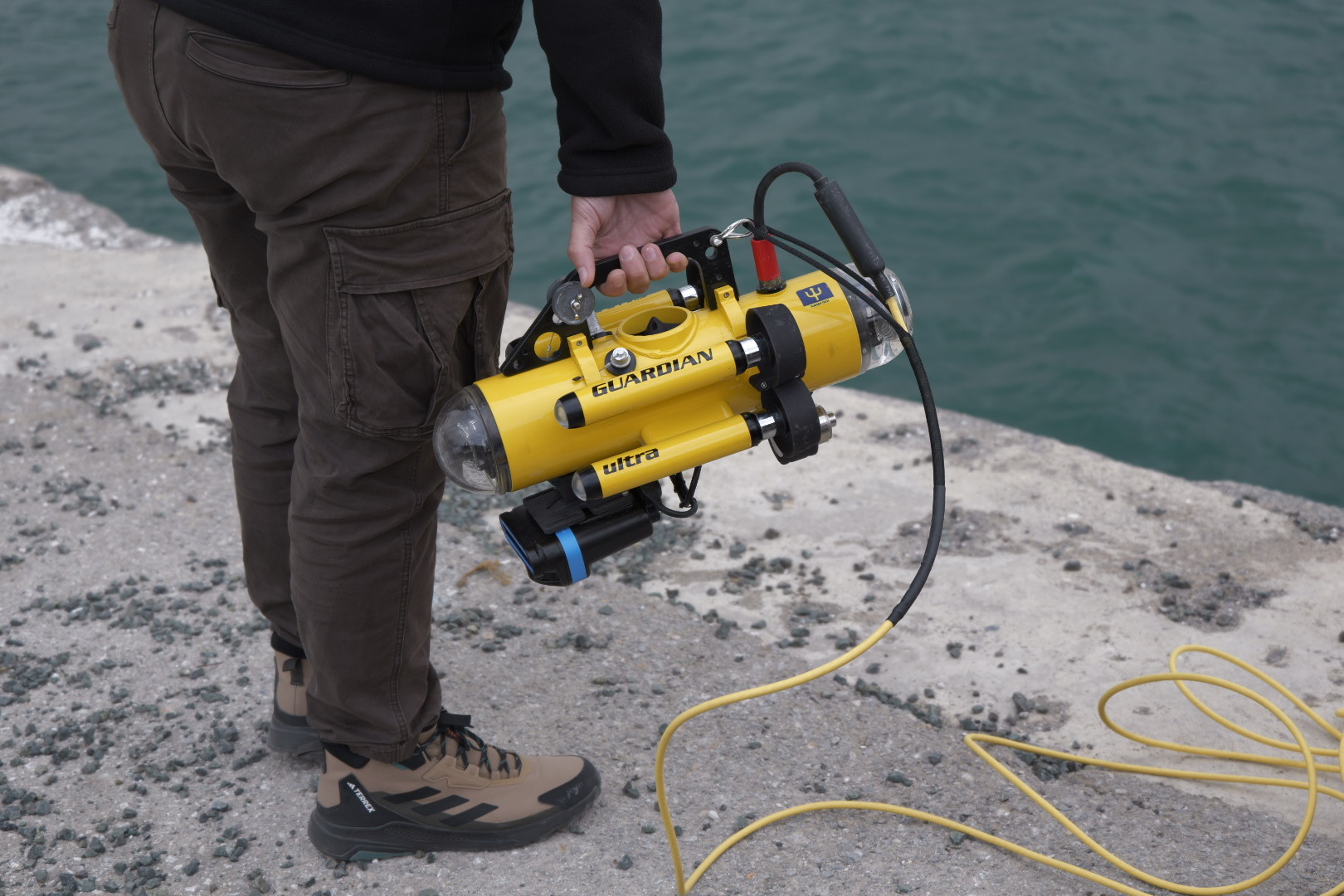
For a more thorough verification, an ROV conducted a detailed
underwater inspection, identifying concealed objects and cargo beyond
the reach of conventional surveillance. The University of Piraeus
Research Center/ Quantitative Analysis in Shipping Laboratory
coordinated the integrated operation of all SMAUG components.
When suspicious activity was confirmed, security personnel received
real-time alerts, prompting immediate responses. The Hellenic Coast
Guard then intervened, leveraging SMAUG’s enhanced detection
capabilities to address illegal activities within the busy cruise-port
environment.
The Technologies
The Heraklion pilot brought together the same robust technological
suite that was deployed at Elefsis, demonstrating the system’s scalability
and adaptability across different port environments:
Hydrophones arrays for continuous underwater acoustic
monitoring
UAV for aerial visual verification
ROV for detailed underwater inspection
AIS vessel identification and correlation module
USV (Unmanned Surface Vehicle) for surface-level support
Satellite detection capabilities
Integrated data platform
or real-time situational awareness
With the conclusion of the Heraklion pilot, all SMAUG Greek Use Cases
have been successfully completed. The two pilots (Elefsis and Heraklion)
together provided a comprehensive and complementary set of
operational data, validating the SMAUG system across contrasting port
environments and threat scenarios.
The project now advances to its next phase, with pilots scheduled in
Norway and Valencia. Each new location will present fresh operational
challenges, further testing the SMAUG platform and broadening its
evidence base ahead of wider EU deployment.