From Research to Implementation: The Elefsis Pilot
The Elefsis pilot, conducted on 16–17 March 2026, marks the successful
completion of the first use-case execution within the Greek pilot schedule, a milestone that brings the SMAUG vision decisively closer to
operational reality.
The Location
The Port of Elefsis presents a uniquely complex security environment. Its
geography, with nearby shipwrecks and a mix of commercial and
industrial traffic, creates conditions conducive to illicit activity. Past
incidents have demonstrated real vulnerabilities related to illicit
underwater activities: concealed contraband, explosive devices, and
unauthorised divers operating in the blind spots of conventional port
surveillance systems.
The Elefsis Port Authority opened its infrastructure and facilitated full
operational access, creating the conditions for a realistic, multi-partner
deployment. Without their collaboration and logistical support, the pilot
could not have taken place.
The Scenario
The pilot unfolded around a carefully constructed operational scenario.
During daytime hours, a fast RHIB (Rigid Hull Inflatable Boat)
approaches a stern-moored vessel, exploiting the local geography and
the cover of nearby abandoned shipwrecks.
The objective: use the
wrecks as staging points to discreetly transport contraband into
the dockyard.
Hydrophones deployed by the University of Piraeus Research Center,
enhanced by additional units and acoustic signal-processing expertise
from Universidad Politecnica De Madrid, detect the vessel's acoustic
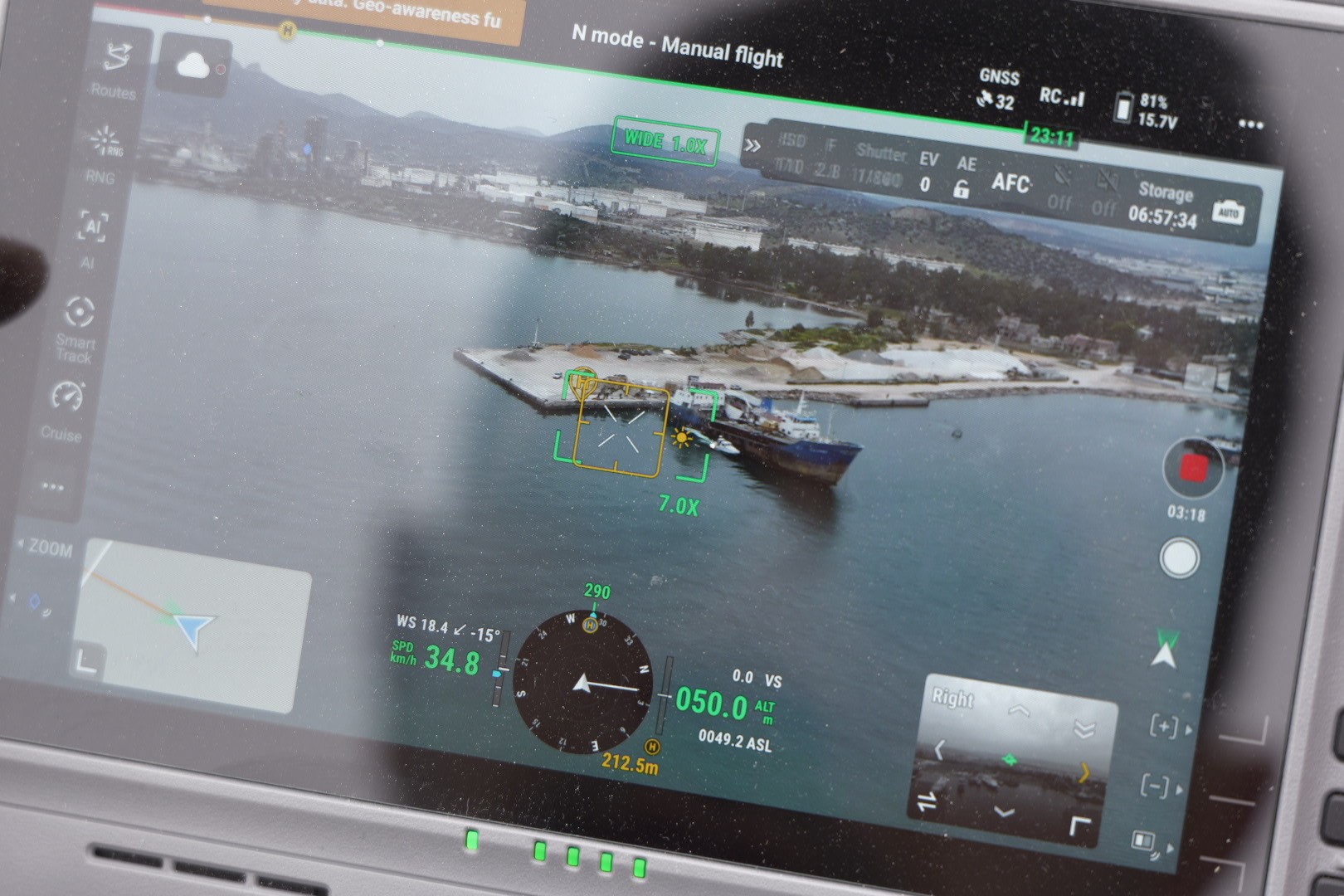
signature and trigger an alert. A UAV is immediately launched to visually
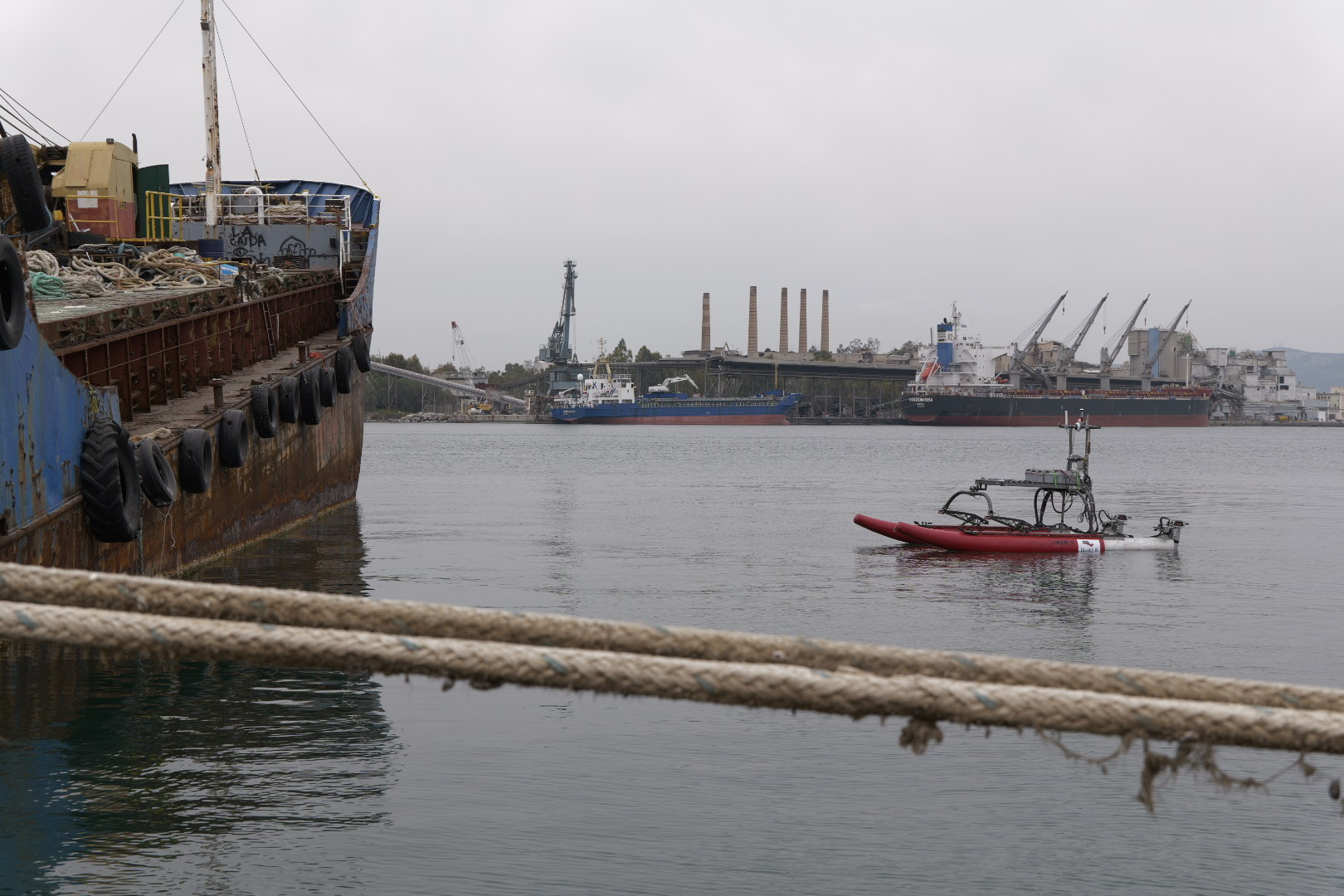
identify the craft from above. Simultaneously, the USV (Unmanned
Surface Vehicle) performs a rapid sonar scan of the wreck's hull.
ATHANOR's AIS module correlates vessel activity with identification data,
building a real-time maritime picture.
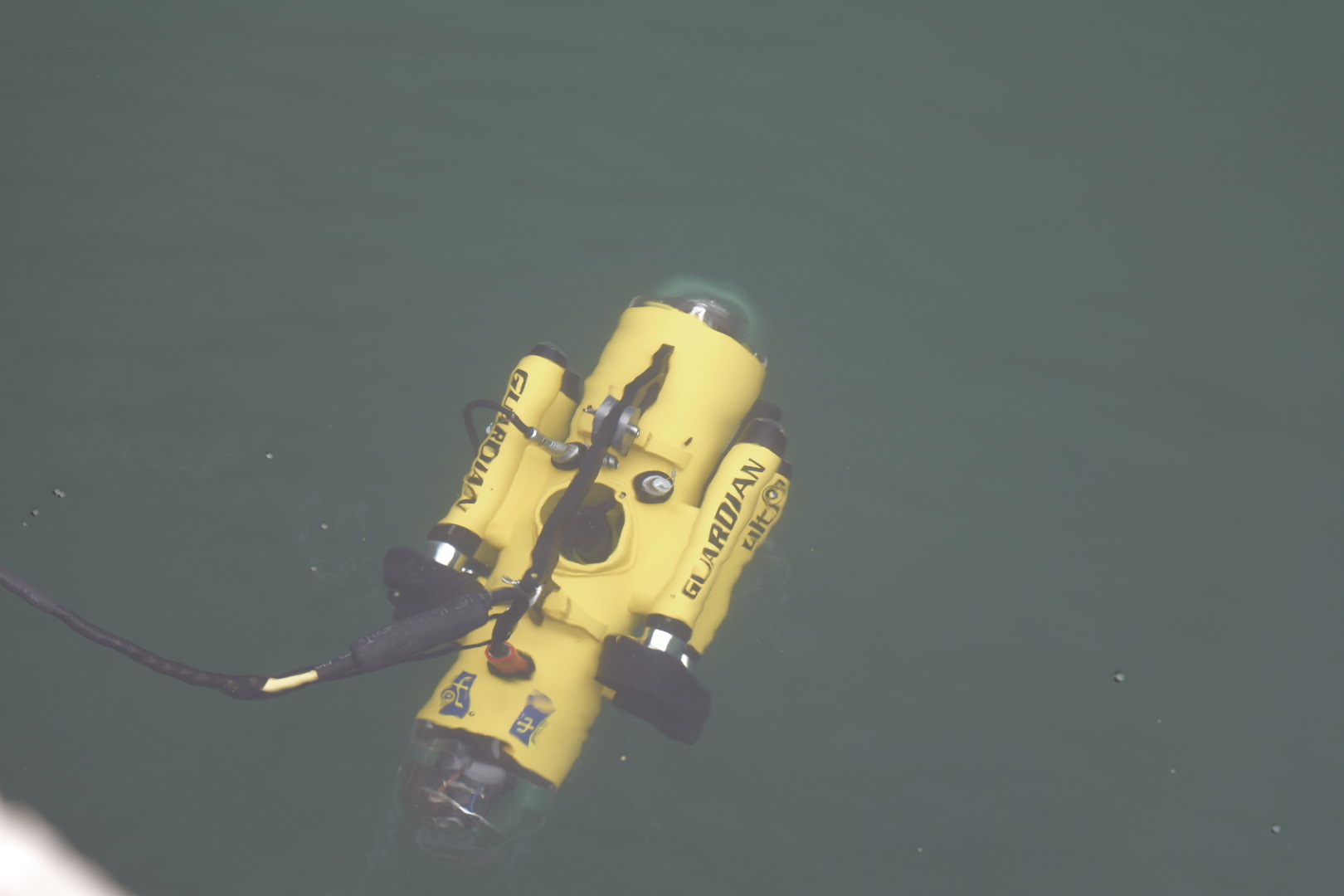
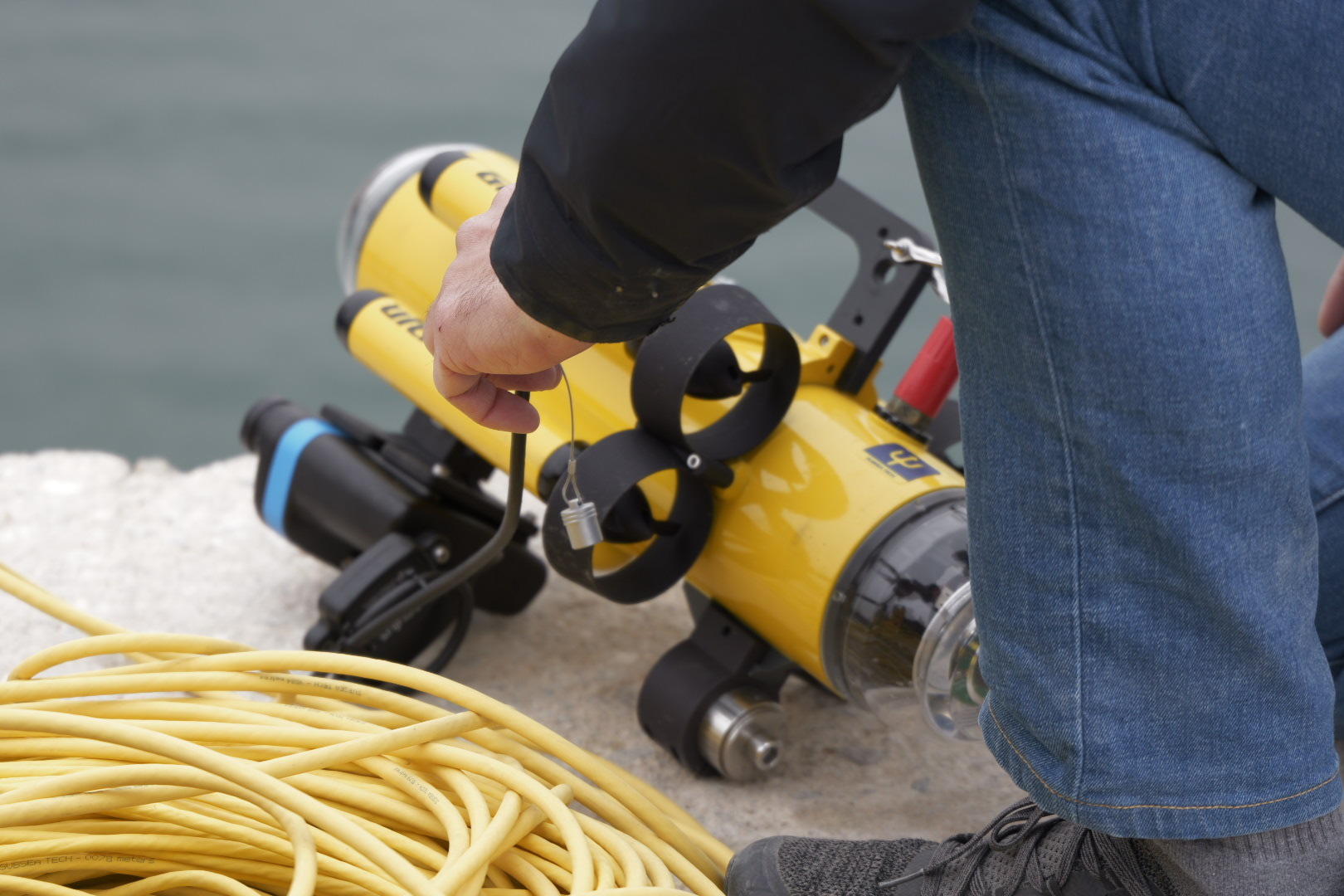
To complete the inspection, an ROV equipped with multibeam sonar
dives beneath the surface to scan the submerged sections of both
wrecks.
The result: a concealed box is located. The Hellenic Coast Guard intervenes and takes control of the operation.
This multi-layered response, with acoustic detection, aerial
observation, hull scanning, underwater inspection, and cross-
referenced vessel identification, is precisely what SMAUG was designed
to deliver.
The Technologies
The Elefsis pilot brought together SMAUG’s advanced technologies
operating in concert:
Hydrophones (acoustic detection)
UAV (aerial visual identification)
USV (autonomous surface scanning)
ROV with multibeam sonar
AIS vessel identification module
Satellite detection capabilities
Integrated data platform
Acoustic signal processing
Each technology contributed a distinct layer of awareness, and the
SMAUG platform fused them into a coherent, actionable operational
picture managed and monitored through FAVIT's data platform.
“The SMAUG project is being developed at exactly the right time,
in order to contribute to the timely identification of threats in the
EU maritime domain.”
Vasileios Mpikakis — Harbour Master, Elefsis Port Authority
The Reflection
Despite challenging weather conditions at the port, all partners
demonstrated exceptional determination and collaborative spirit, which
led to SMAUG's pilot's success. Special recognition goes to Elefsis Port
Authority and the University of Piraeus Research Center for the
outstanding organisation and hosting of the event, their commitment
was instrumental in making the pilot a success.
The Greek Use Case didn’t end at Elefsis. The SMAUG team moved
directly to Heraklion, Crete, where the Port of Heraklion, a high-traffic
commercial and passenger gateway, presented a complementary and
equally demanding operational environment.
SMAUG testing
This video features a testimony from a representative of the local service in Elefsina, describing the results of the tests carried out with the SMAUG programme. The statement highlights the potential of the developed technology to enhance the effectiveness of operational activities and to support faster response times.