Happy first year, SMAUG!
A year of progress is unfolding.
The SMAUG project has successfully concluded its first twelve months of implementation. During these months, between meetings, presentations, and research, partners’ intense work generated the project’s first results, whereas strong communication and dissemination activities spread the word about the SMAUG project.
Let’s look closer at the project’s achievements during its first 12 months and see what is coming next!
Steering Success: Sailing Through Calm Waters
Project Management is in charge of the operational management and technical vitality of the SMAUG project, encompassing management components on contractual, financial, legal, technical, administrative, human resources and ethical levels. In this regard, the governance model of the consortium was established from the project’s start, and critical activities that followed were the overall management of the project’s amendment and the establishment of the Data Management and Quality Plan. The consultation strategy was also defined and successfully submitted to the European Commission.
Reflecting on the legal and ethical activities, an ethics webinar was organised during the second month of the project’s implementation, providing valuable insights, whereas, by month six, the Data Management Plan (DMP) was completed, with contributions from SSSA and all consortium partners. The next version is being prepared and scheduled for release during month eighteen. Meanwhile, the Gender Equality Plan monitoring is progressing steadily in the background, continuing to monitor and advise the consortium on any emerging legal, personal, non-personal data, and ethics-related issues. The Ethics and Security Board has been established, featuring prominent experts hosting regular meetings and liaising with the consortium through the coordination team and SLEX.
Looking deeper at the Legality Attentive Dimensions, which focus on analysing the legal and ethical requirements for the continuous data flow during the last twelve months, SSSA and SLEX have continuously mapped the legal and ethical framework necessary to design effective and compliant data governance mechanisms, enhancing data openness while complying with the applicable legislation and ethical constraints and enabling a robust integration strategy of the SMAUG ecosystem. SLEX is also developing the PoC for the pseudonymisation tool. The first phase of the work focused on researching and evaluating technologies capable of identifying and anonymising personal data. Meanwhile, sample documents from involved partners were requested, representing the most frequently exchanged data, in order to determine which technologies should be prioritised and which solutions would be most effective to implement. To better define the objectives and requirements of the pseudonymisation process, several meetings occurred with partners, which assisted in clarifying the specific needs and goals of the tool. The work will continue until the project’s finalisation, securing the legal and ethical project’s compliance.
SMAUG technologies: Our key to success
Maritime Security information management aims to improve port security by integrating data from manned and unmanned platforms, enhancing situational awareness. It also focuses on improving the interoperability of Port Community Systems (PCS) with security systems to support port authorities while identifying gaps, opportunities, and barriers in integrated security management based on feedback from end-users and authorities. In the last twelve months, internal coordination meetings and active participation in management meetings and coordination conferences have been conducted. The establishment of documentation as a starting premise for project capabilities development, including a questionnaire addressed to maritime stakeholders/port authorities, is ongoing. The information needed on the Port Control Systems (PCS) operated by harbours is currently being enriched to establish and maintain Situational Awareness to identify future sources of data and data providers. An Interoperability model analysis based on the fusion of different information and data has been developed and permanently updated to establish a concept of operations proposing realistic use cases involving identified information providers (under the water and above) and information exchange requirements (IERs) for future addressees using the CISE framework. The parallel developments of an AIS data collector system and a shared local data collecting system (dispatcher), in particular for radio-acoustic data using 4G technology, are proposed in a first architecture. This end-to-end architecture should allow the dissemination of the data via an agnostic dispatcher within the EU community via a CISE node that has to be granted by an administration.
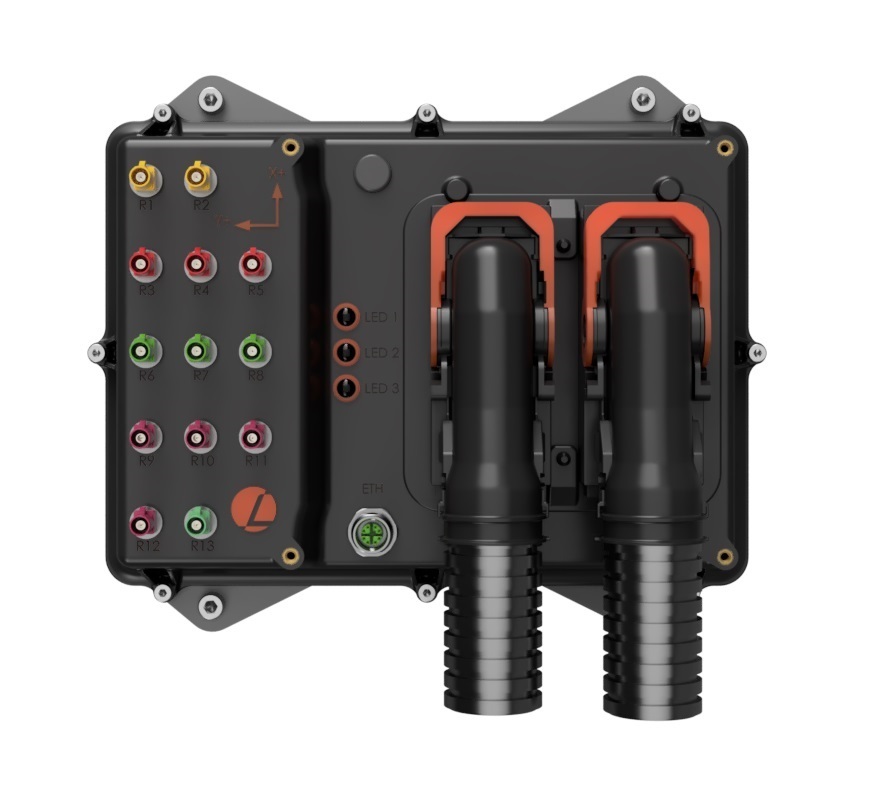
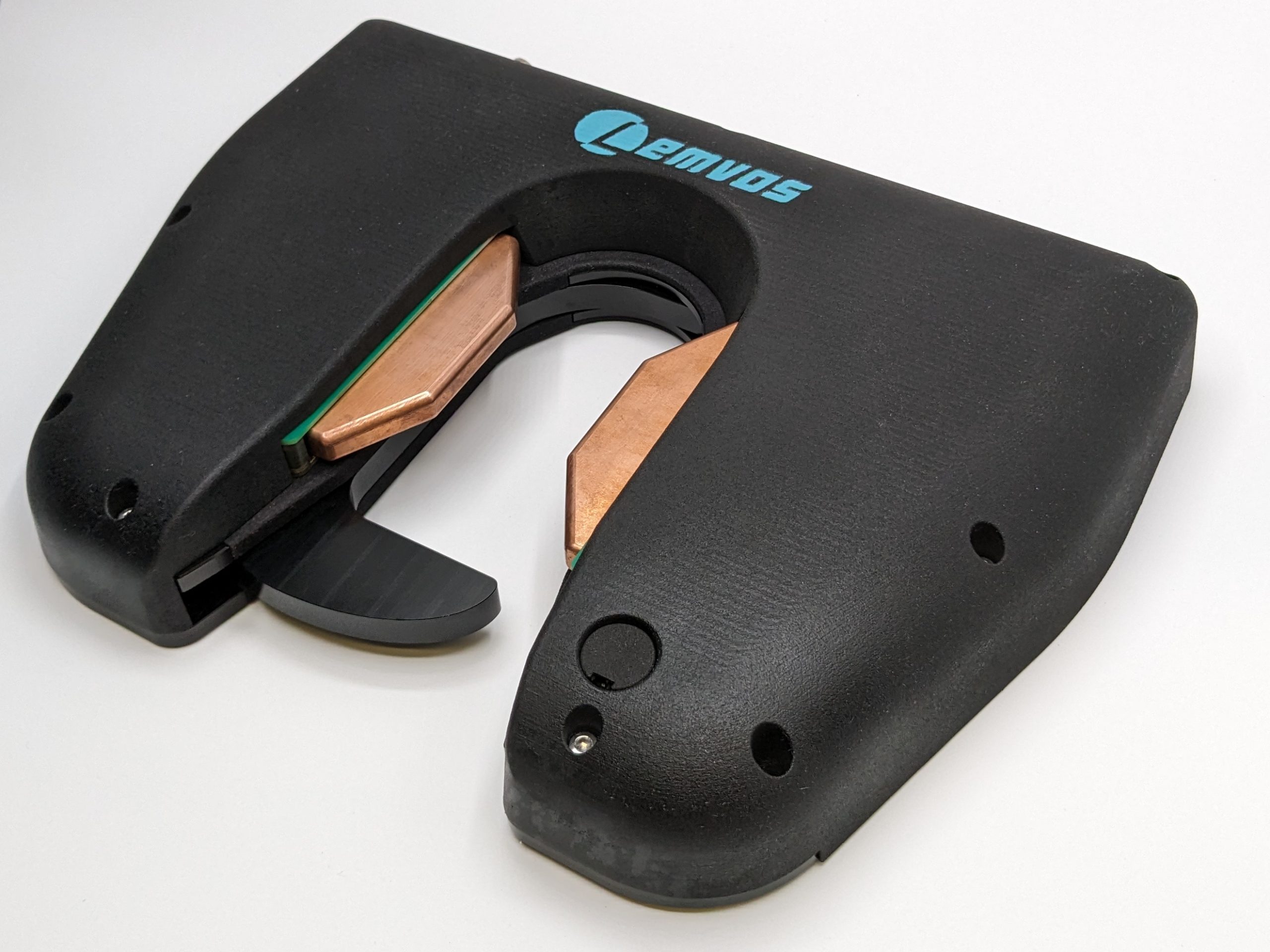
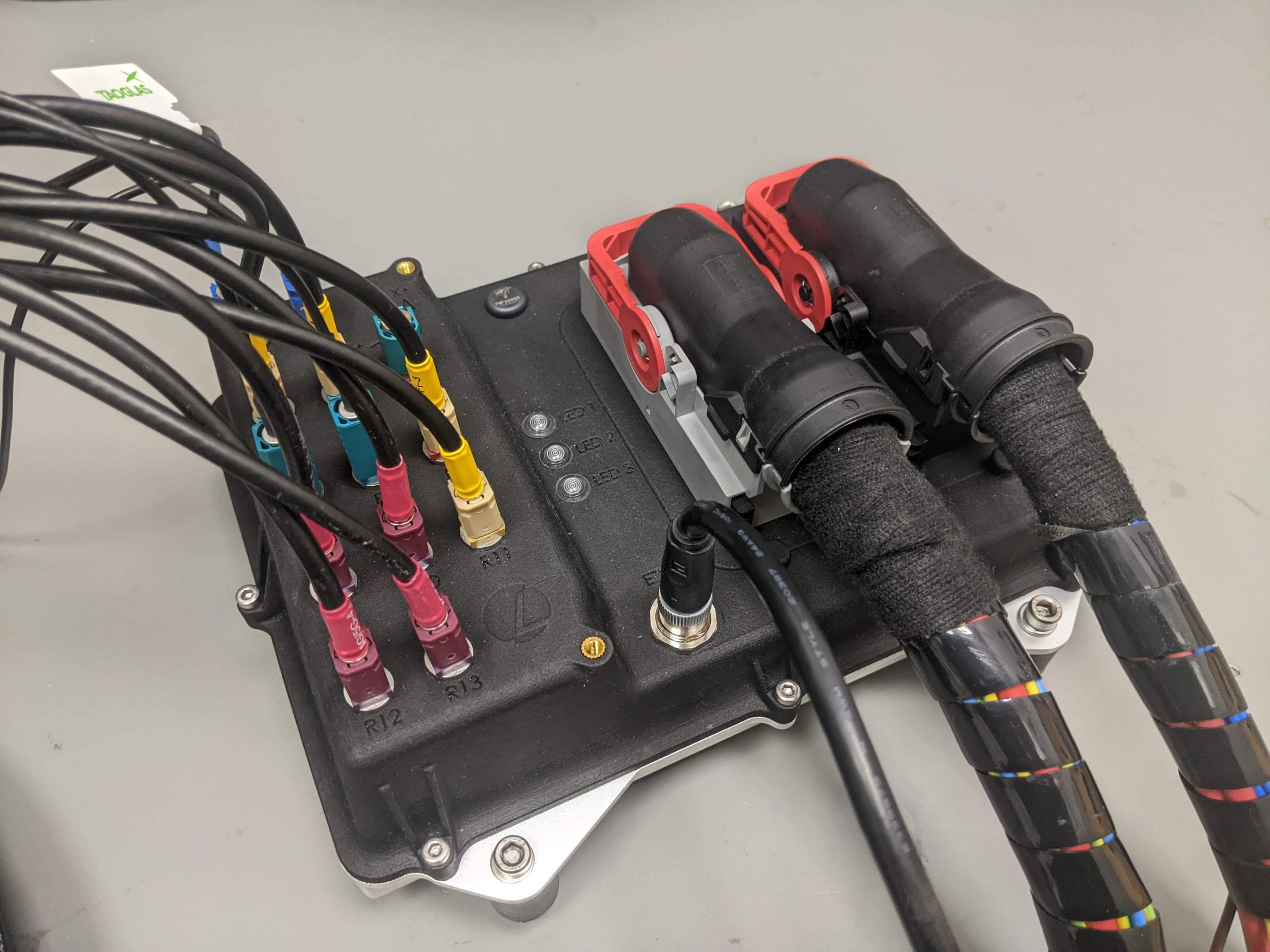
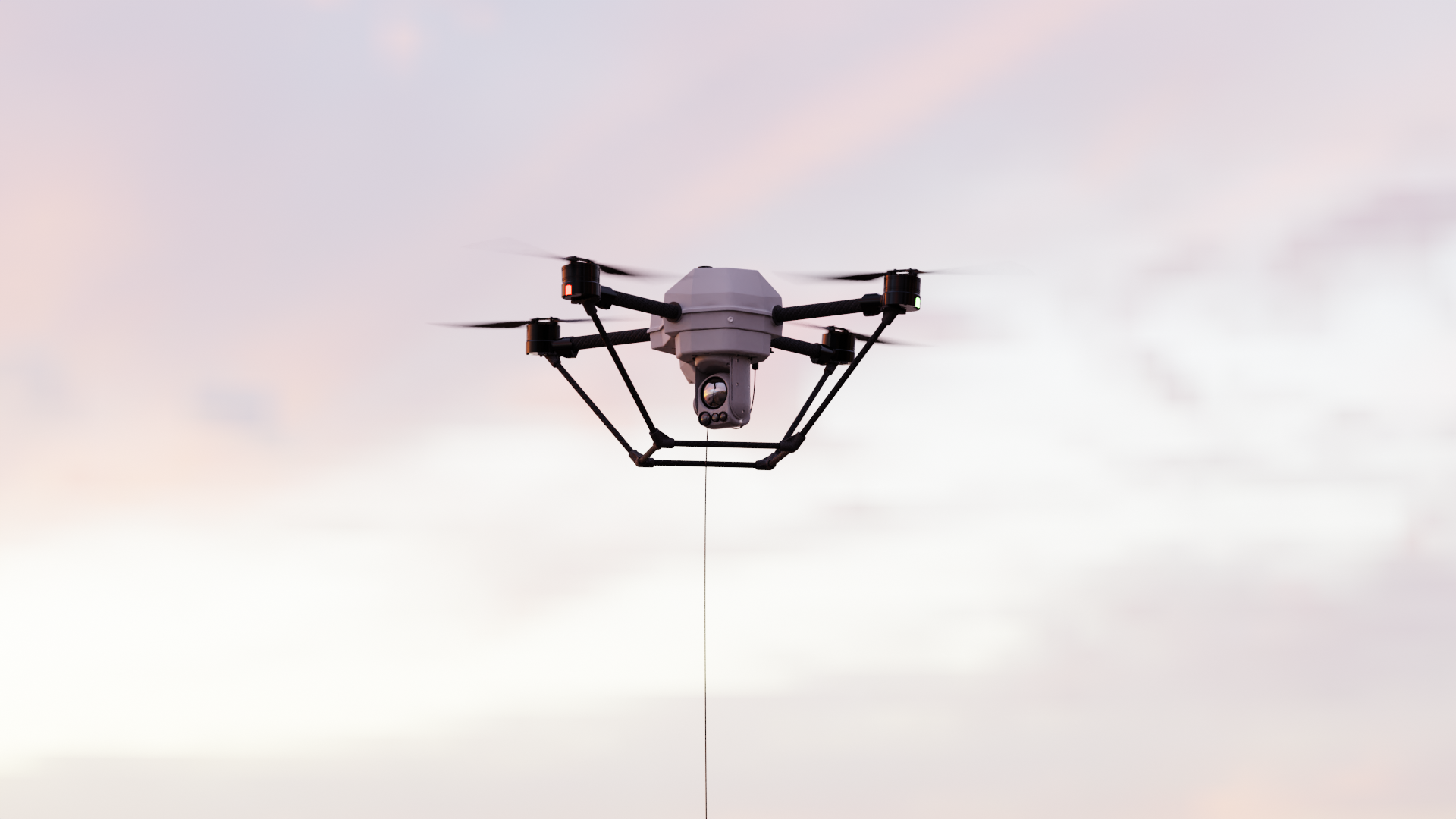
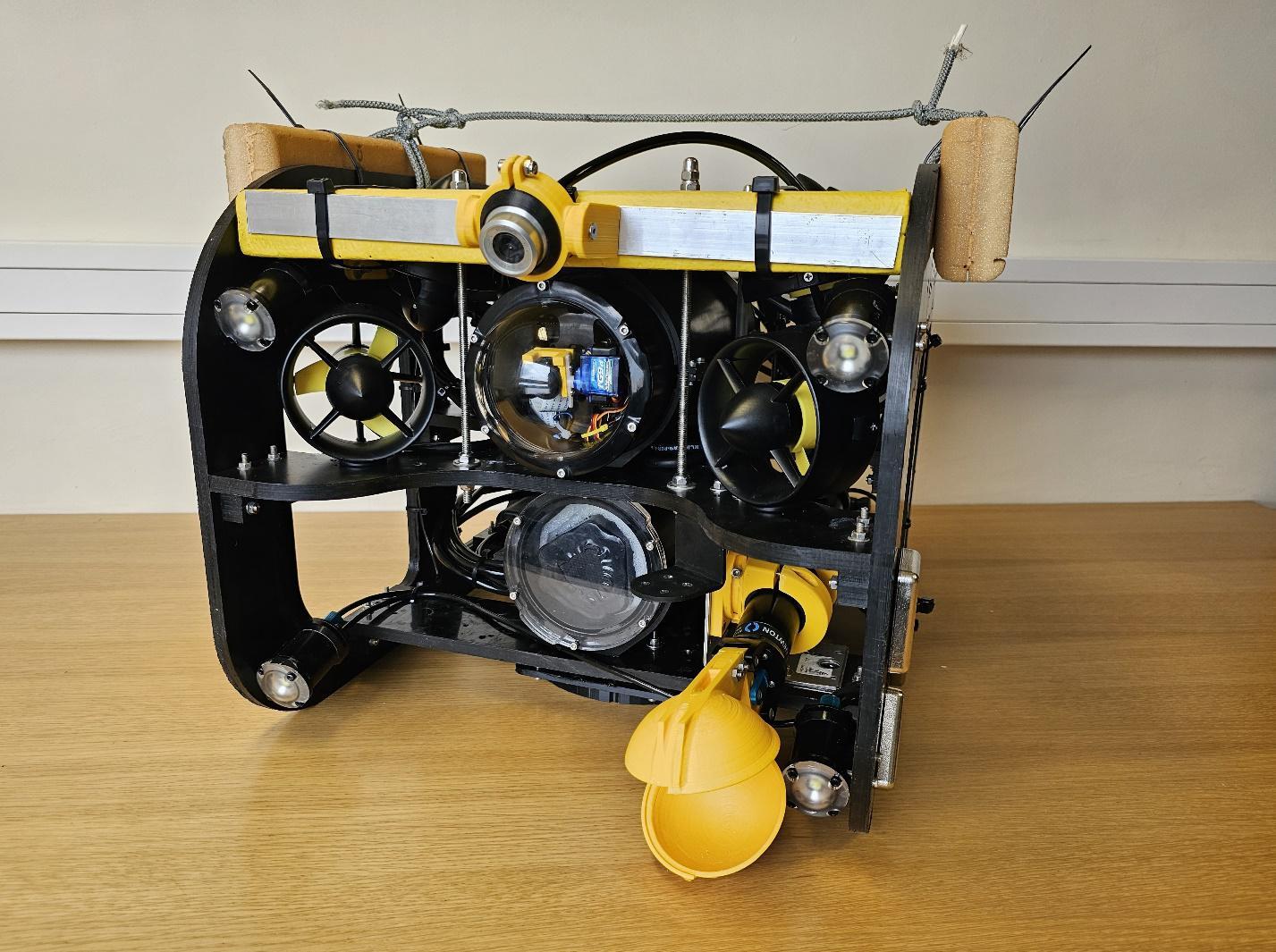
During the past year, activities around underwater detection and location have resulted in significant strides in developing a system that can detect and identify objects underwater. However, there are still some challenges to overcome. A detection algorithm was tested, which proved to be functioning, but an improvement is needed in how objects are located and recognised. To achieve this, the plan is to combine all findings and create a powerful learning model that can accurately identify objects, requiring a lot of data to train it. One big issue identified is how objects look and are made, which affects how well their detection can be achieved. For example, the fake narcotics pods used in tests don’t behave like real ones when scanned, so more realistic models from materials like steel are required. Also, it was observed that the 3D sonar initially used didn’t work as well as expected, especially when scanning steep surfaces or the bottom of a boat. Instead, it was noticed that 2D imaging sonars are better for low visibility conditions, and camera footage was also used to help identify objects more accurately. The following steps include testing this system in real-life situations to observe its performance. A “dronebox” was also designed to work alongside underwater vehicles (USVs). This dronebox has advanced features like a robust positioning system that works with or without GPS and a fast data transfer system. Efforts are put into developing a group of small underwater vehicles (UUVs) that can work together, similar to how swarms of animals function, to enhance the project’s detection abilities. In summary, some critical milestones were successfully achieved, but now the focus will shift to solving the remaining problems, improving object identification, and gathering more data from real-world tests. Smart Integration of Data sources focuses on enabling live remote control of surface, underwater, and aerial vehicles, setting up autonomous systems for navigation and data collection, managing collected data for threat detection using machine learning, automatically notifying operators of potential threats, and creating an interface between SMAUG and the CISE Node. During the first 12 months of the project, significant progress was made across several key areas. Everything started by defining the specific development roles as well as the system architecture and data flows. Discussions began with end-users regarding the command centre layout, whereas the data uplink system architecture defined 80% of systems. The control portal layout concepts for harbour security are in the concept stage, while 75% of the control portal layouts for UxVs were completed. AI-driven threat recognition processes, decision-making, and resulting actions were successfully defined. Additionally, the hardware development of the USV control computer, AutomatePro, was completed, marking a significant milestone. SMAUG’s basic data flow and architecture were outlined, and AIS and Copernicus data samples were collected. Requirement questionnaires have also been distributed, and feedback was shared with partners, whereas data output types of templates have been shared with the data providers’ partners. Then, fundamental problems were defined, and initial solutions for platform coordination in threat detection and neutralisation were developed. The main limitations of existing coordination approaches were analysed, focusing on their inefficiency in autonomously detecting and neutralising threats. A thorough investigation was conducted into the expected dynamical properties of various threats and the capabilities of platforms and sensors available for detecting them. Furthermore, appropriate responses were identified based on sequential platform mobilisation and sensor integration, balancing response time and accuracy. Progress was also made in the initial platform coordination, including the development of baseline code for creating simulated environments where agents are trained to detect and neutralise threats, incorporating a training architecture to apply a varying number of Deep Reinforcement Learning algorithms and initial multiplatform coordination strategies to maximise both underwater and surface threat detection were also included. The hierarchical decision-making architecture was defined, including i. Architecture specification for context data generation, high-level decision-making computation and low-level platform control and ii. The initial model of SMAUG integrated environment, where varying numbers of threats, platforms and sensor models are simulated in parallel for cooperative operations.
Looking ahead, focus will be placed on numbering activities such as developing the Control Portal layout to meet the needs of all end users efficiently, testing all data uplink systems to ensure reliability and performance, integrating all data for various detection methods with the message broker and central database while testing the AI analysis tool with both simulated and real data sets, integrate data from the CISE node into the central database and optimise UxV Control portals for SMAUG underwater detection. Further, the analysis of the collected draft/final user requirements and the external data sources and sensors’ data will be continued. The control portal mock-up preparation is in the following steps, and potential ML use cases research on T5.4’s suspicious vessel identification will be added. The actual implementation of the T5.2 & T5.4 software components will also occur in the near future as well, and a key goal is to improve the trained models’ inference accuracy while developing more realistic simulated environments of stochastic nature and continuing the hierarchical decision-making architecture integration and multi-agent training.
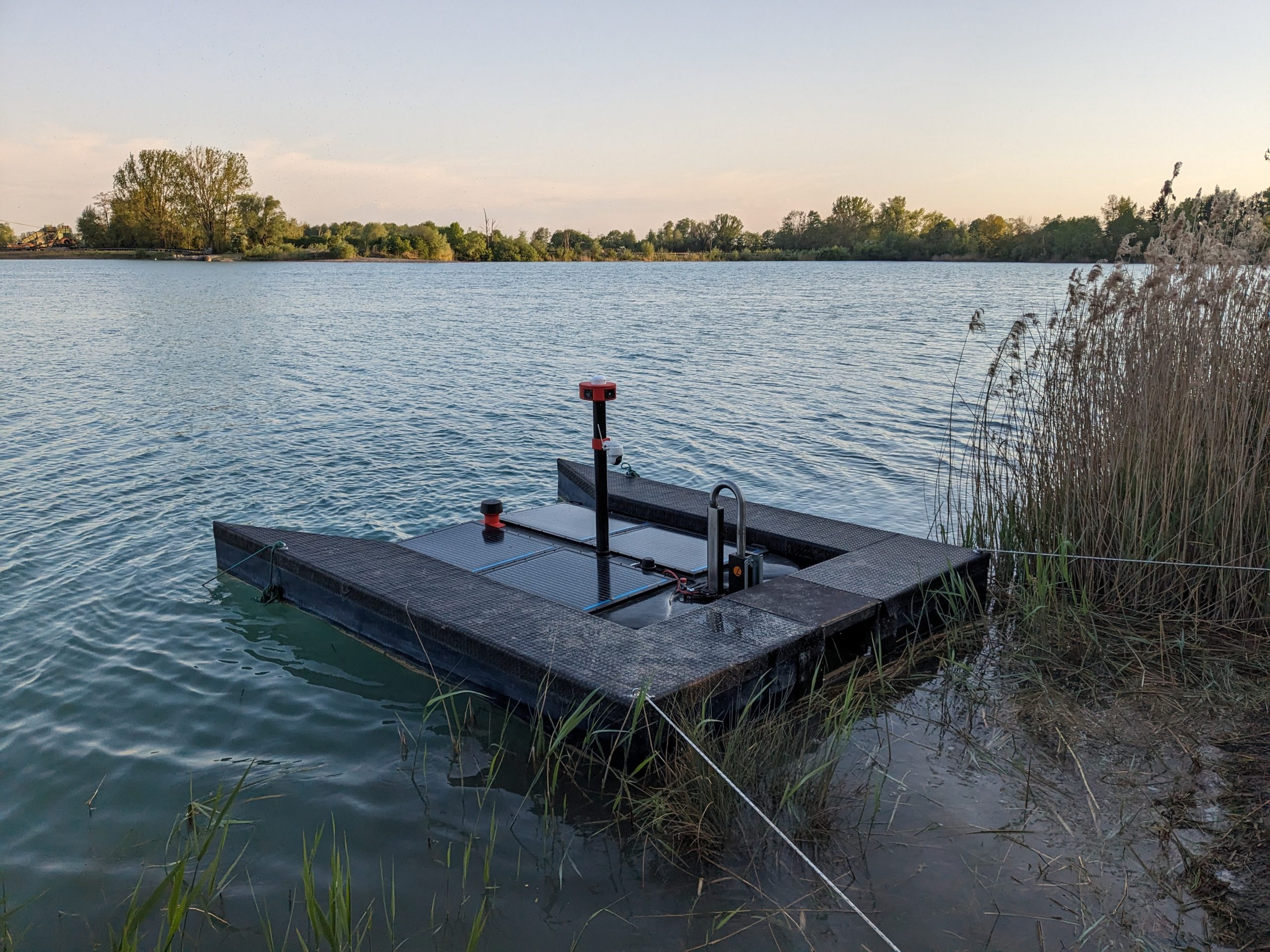
As for the use cases, they aim to demonstrate and validate the different solutions developed in the project to ensure the close collaboration of the project’s end users (security authorities and port authorities) with the technical partners during the project’s lifecycle. Three project pilots will be executed, and their results will be analysed in a real port environment: Valencia Port (Spain), Elefsina Port, Heraklion Port (Greece), and Drammen Port (Norway). The SMAUG use cases were the focus of the project’s 3rd General Assembly meeting, and their implementation/organisation has just kicked off. One key element for the use cases; the unmanned docking point has been developed, patented, and tested, and the USV is complete and in construction, specifically for the SMAUG Rapid Hull scan and UUV deployment design.
Our Impact
Outreach, Exploitation, and Collaboration activities aim to achieve the highest impact for SMAUG by raising broad awareness of the project and its outcomes, fast-tracking the inwards/outwards value streams with the stakeholder base, and capitalising on the results and IP generated.
During its twelve months of implementation, the project unfolded its visual identity by creating the project templates, brand book, flyer, and roll-up banner. The most critical work is transforming partners’ efforts and results into concrete communication messages and activities, reaching a broad audience and maximising the project’s impact. However, SMAUG achieved great exposure even so early in the project’s implementation and had a strong presence in seven workshops, conferences, and events, communicating the SMAUG project and highlighting key aspects and expected results.
In SMAUG, we strive to build collaborative activities to establish synergies with relevant projects, aiming to enrich EU research and knowledge exchange. The first iteration of the stakeholders database has been established, and in the upcoming months, efforts will be made to communicate and collaborate with relevant EU projects. In SMAUG, we emphasise publishing scientific publications open to the public, disseminating our knowledge and allowing the project’s results to travel worldwide! Our principal online repository is our project’s website, complemented by our social media channels. Looking ahead, we have exciting months to anticipate as we get ready for the pilot use cases execution, our new collaborations, events participation, scientific publications release, and many more!
The best is yet to come! Stay tuned with the SMAUG project, follow us on social media and subscribe to our newsletter to learn first about our work and activities!