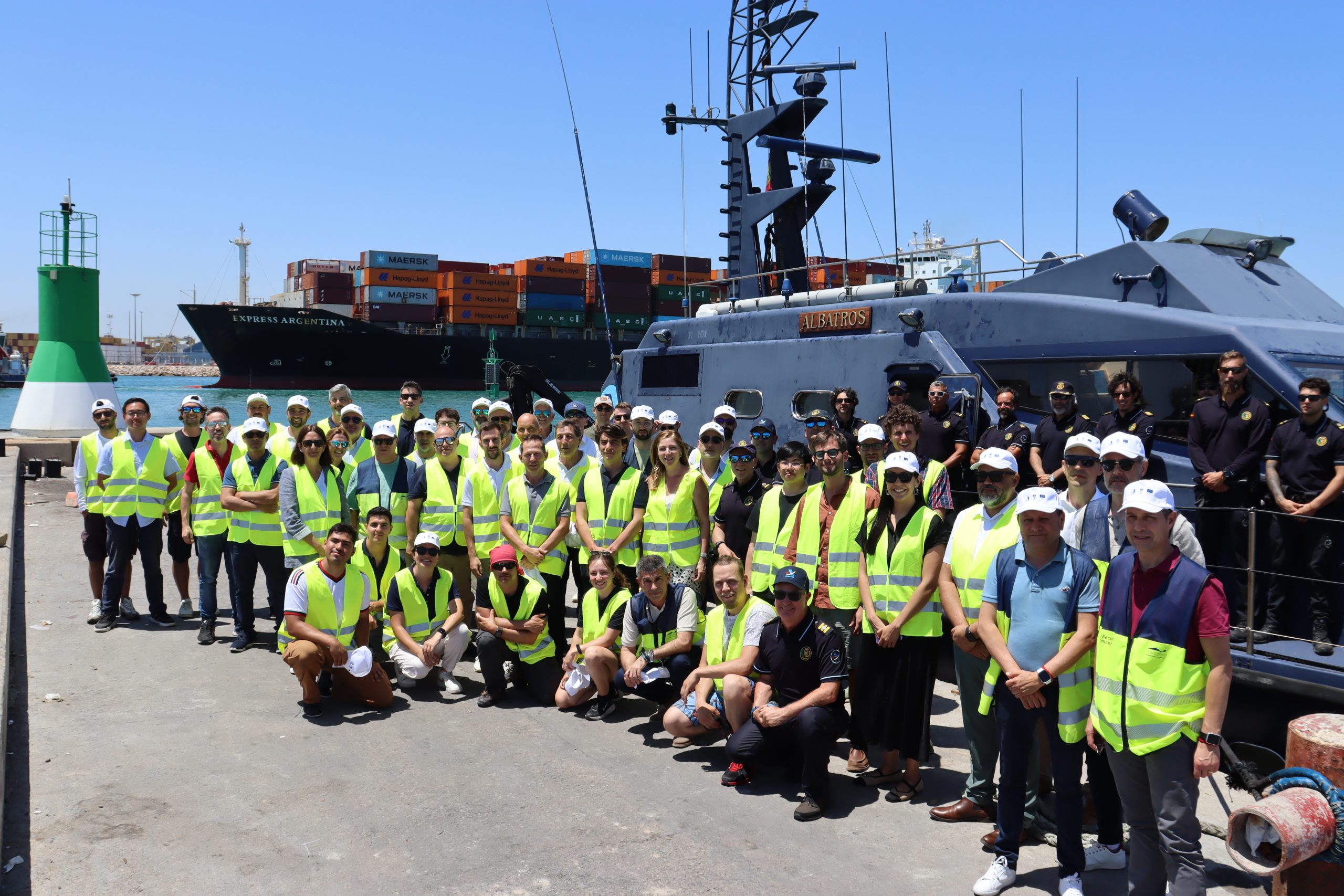
Strengthening Maritime Security at the Port of Valencia
From 15 to 18 June 2026, the Spanish Pilot Use Case took place at the
Port of Valencia, marking the project's final pilot demonstration. The
pilot demonstrated the SMAUG technologies towards advanced
maritime surveillance and threat-detection capabilities in real port
environments
The activities were coordinated by Fundación Valenciaport (FVP) and the
Agencia Estatal de Administración Tributaria (AEAT), with contributions
from Universidad Politécnica de Madrid (UPM), Elistair, Lemvos, Indra,
Vete, Athanor Engineering and Scuola Superiore Sant'Anna (SSSA).
The Location
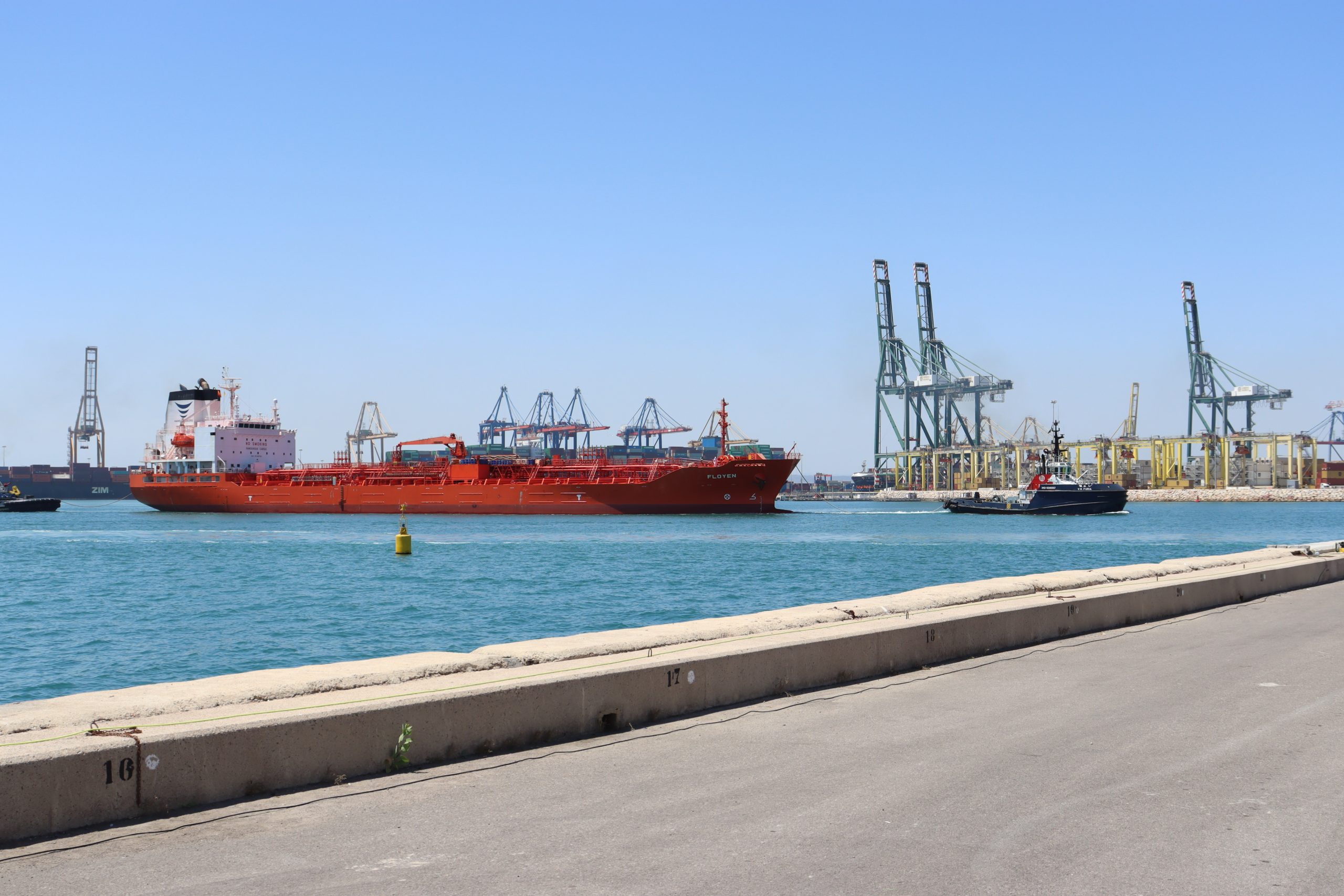
As one of the busiest ports in the Mediterranean, the Port of Valencia
faces various maritime security threats. Traditional surveillance systems
are often challenged by threats operating below the water surface or
outside conventional monitoring areas. The development of new
methods for concealing illegal cargo, including attaching objects to
vessel hulls or using clandestine maritime routes to access port facilities,
demands new detection methods and technologies. The Spanish pilot
focused on demonstrating how integrated, multi-domain surveillance
technologies can enhance the protection of critical port infrastructure
and improve the detection of suspicious activities both above and below
the waterline.
Pilot Execution
Use Case 1: Detection and Inspection of Vessels in the Xitá Dock
The first demonstration took place in the Xitá Dock, located along
Valencia's central shipping channel. This high-traffic environment
provided realistic conditions for testing continuous vessel monitoring
and rapid response procedures.
Hydrophones monitored acoustic signatures generated by vessels and
potential underwater intrusions. The collected information was cross-
checked with AIS data and satellite-based detections to identify
anomalies.
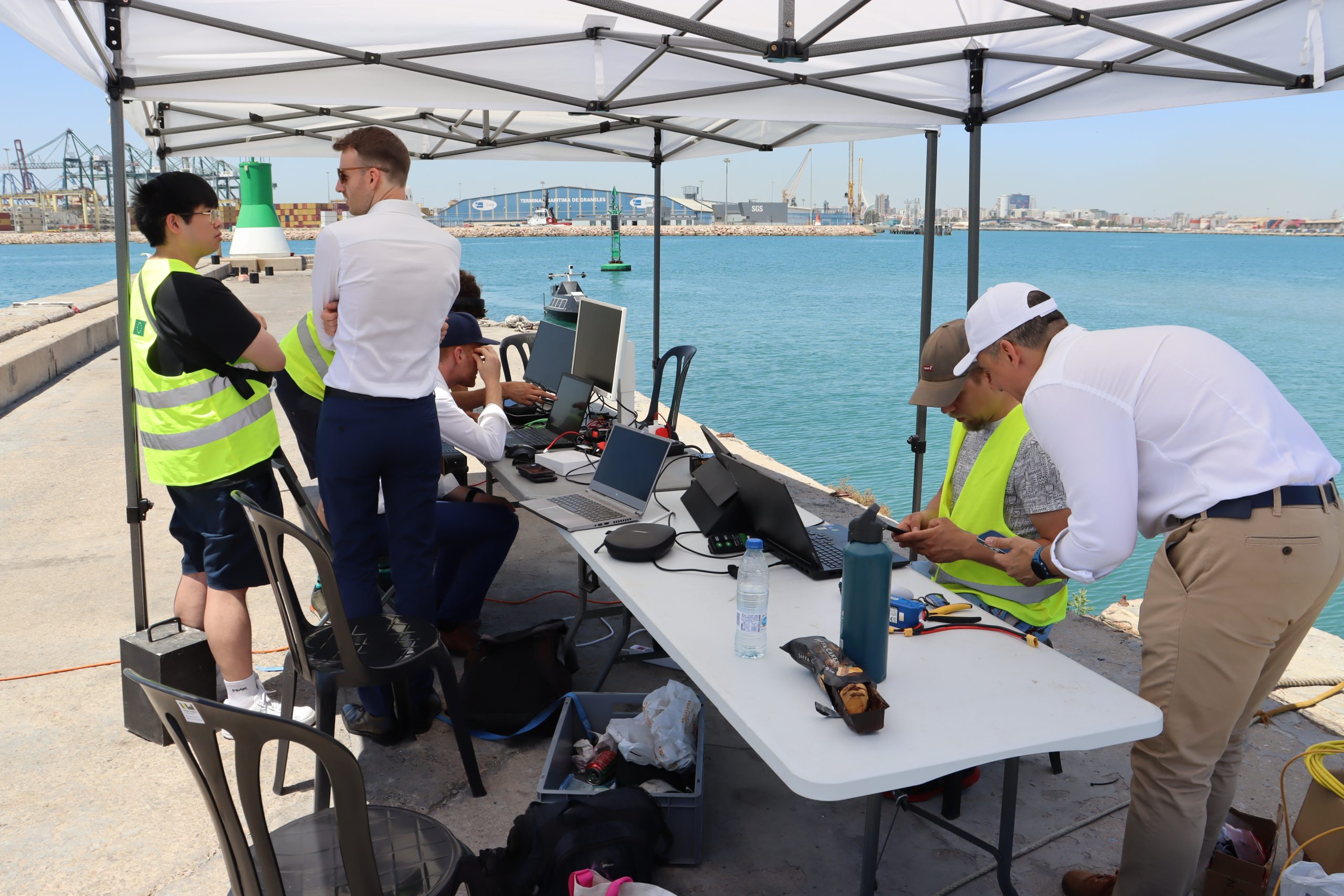
When suspicious activity was detected, Unmanned Surface Vehicles
(USVs) and Unmanned Underwater Vehicles (UUVs) were deployed to
inspect vessel hulls using sonar technologies. Autonomous underwater
robotic swarms then performed close-range inspections of suspicious
objects, providing visual confirmation and supporting threat
assessment. At the same time, UAVs delivered aerial situational
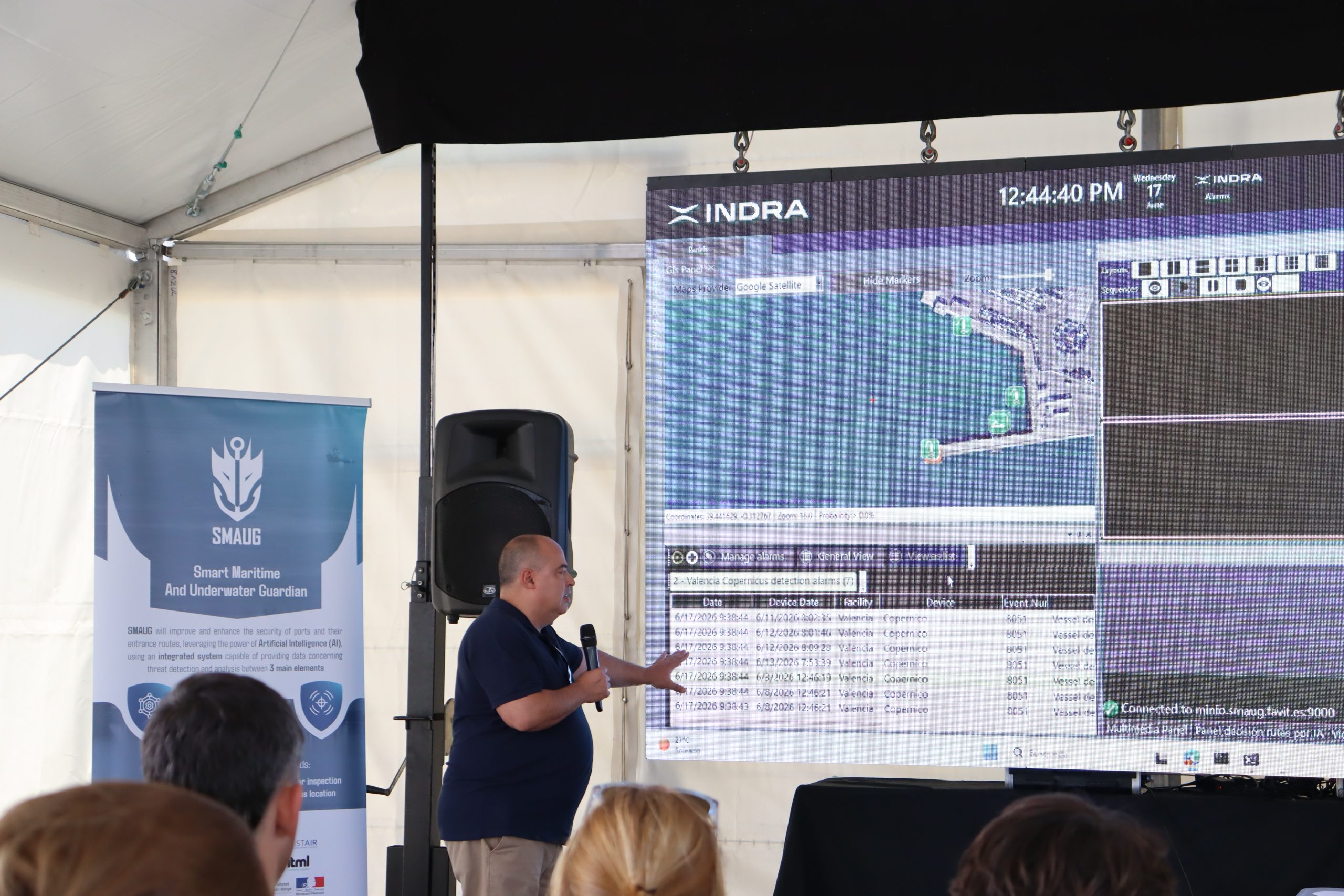
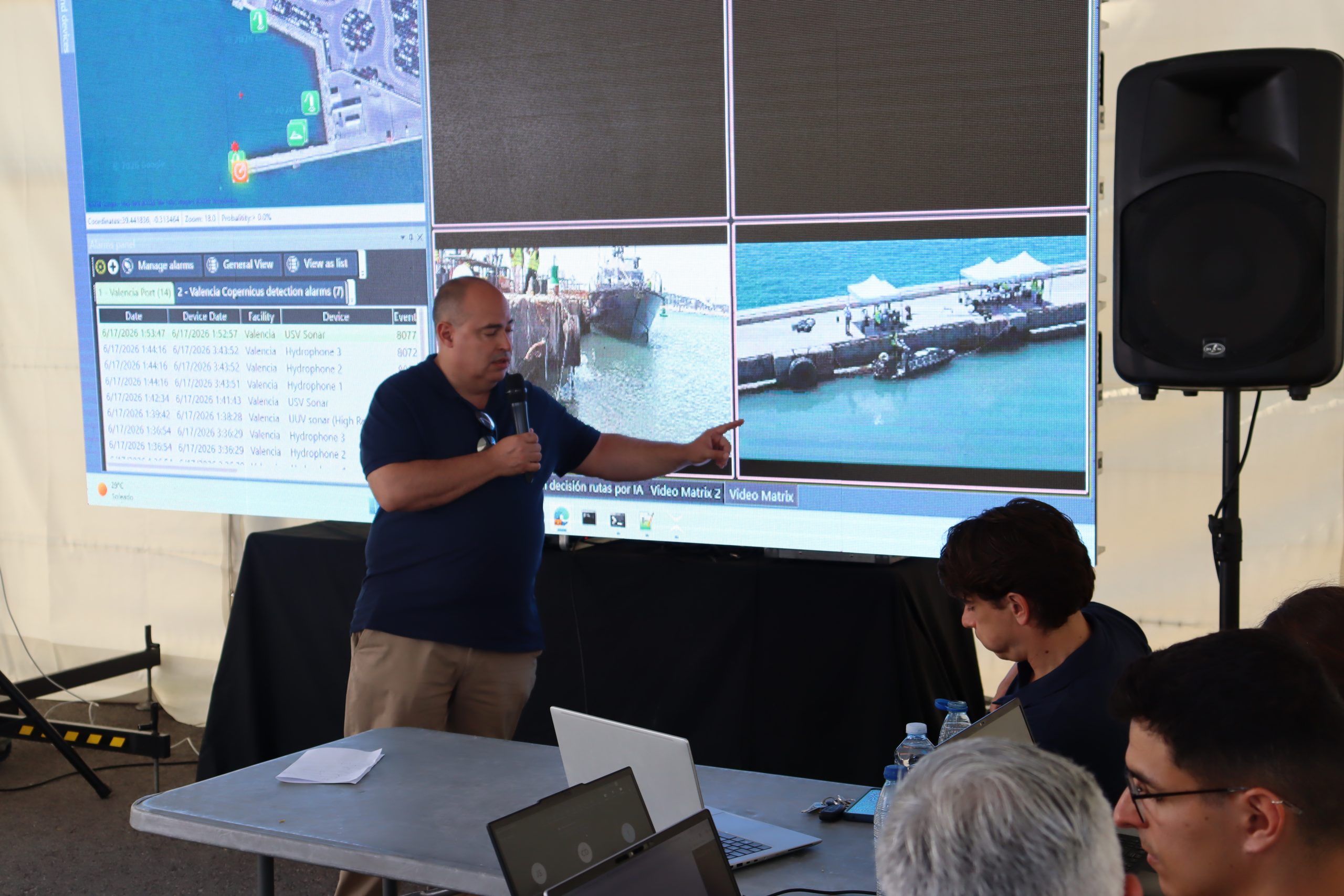
awareness to operators. All sensor data, alerts and visual information
were transmitted in real time to the SMAUG Command and Control
platform, enabling coordinated operational responses.
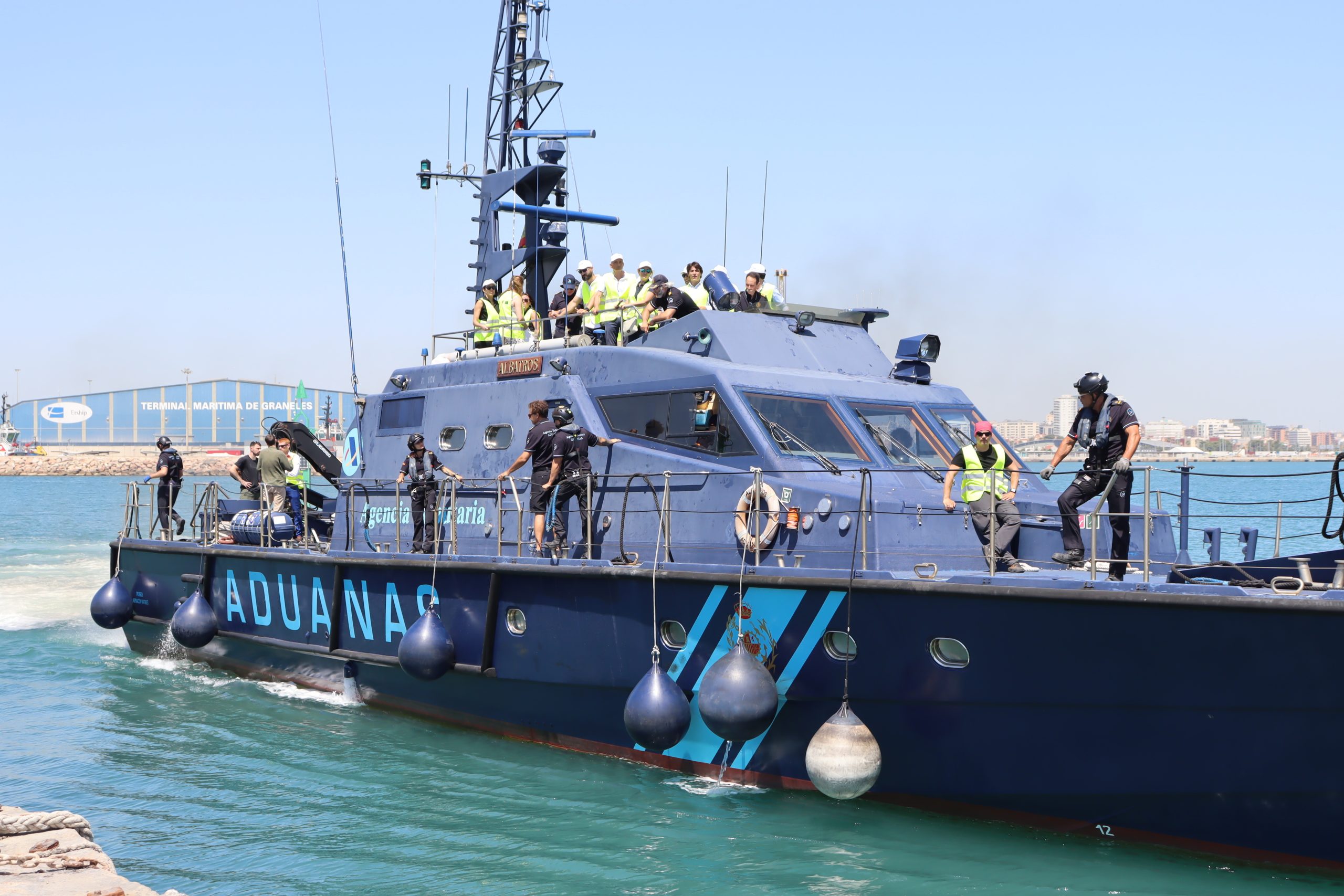
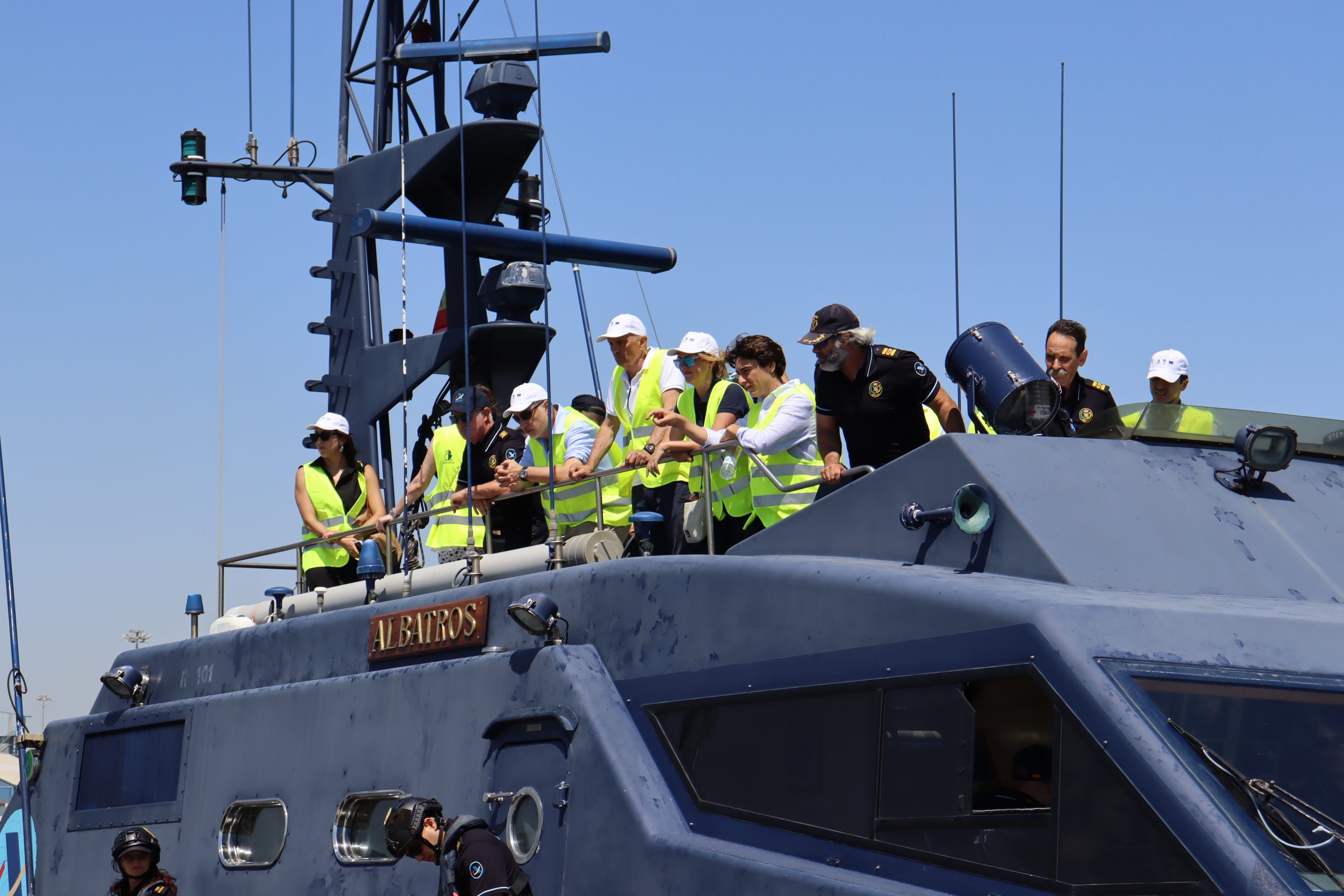
Use Case 2: Detection of Illicit Vessels in the Southern Port Area
The second scenario was conducted near the mouth of the Turia River,
an area representative of routes that may be exploited for illicit maritime
activities. The exercise simulated the entry of unauthorised vessels and
semi-submersibles approaching the port through inland waterways.
Hydrophones detected vessels operating without AIS signals, while
satellite-based AI detection systems helped identify suspicious
movements. Following detection, UAVs were deployed to visually
identify the target using AI-assisted analytics. Once the threat was
confirmed, interception procedures were initiated to assess the vessel
and verify the presence of illicit cargo.
Throughout the operation, all alerts, live video streams, and sensor
information were integrated into the SMAUG Control Portal, providing
operators with a comprehensive operational picture and supporting
real-time decision-making.
Pilot Outcomes
The Spanish Pilot successfully demonstrated the benefits of combining
underwater, surface, aerial and satellite surveillance capabilities within a
single operational ecosystem. The pilot validated SMAUG's ability to
detect suspicious activities, support coordinated inspections, improve
maritime situational awareness and strengthen the protection of critical
port infrastructure against evolving security threats.
As the final pilot demonstration of the project marked an important
milestone in validating SMAUG technologies under realistic operational
conditions and highlighted their potential contribution to the future of
maritime and port security across Europe.
The Technologies
The pilot integrated a wide range of technologies, including:
Hydrophone-based underwater acoustic detection
Unmanned Underwater Vehicles (UUVs)
Unmanned Surface Vehicles (USVs)
Tethered UAV systems
AIS monitoring and anomaly detection
Satellite-based vessel recognition supported by AI
Autonomous underwater robotic swarms
Real-time Command and Control capabilities
By combining these technologies into a unified operational framework,
the SMAUG platform enabled coordinated surveillance across
underwater, surface, aerial and satellite domains.