The Norwegian pilot, conducted on 27–28 May 2026, demonstrated
SMAUG's ability to detect, classify and respond to maritime security
threats in one of Norway's most strategically important cargo ports, the
Port of Drammen. Combining simulation-based validation and
operational demonstrations, the pilot showcased how integrated
autonomous technologies can strengthen situational awareness and
protect critical maritime infrastructure.
The Location
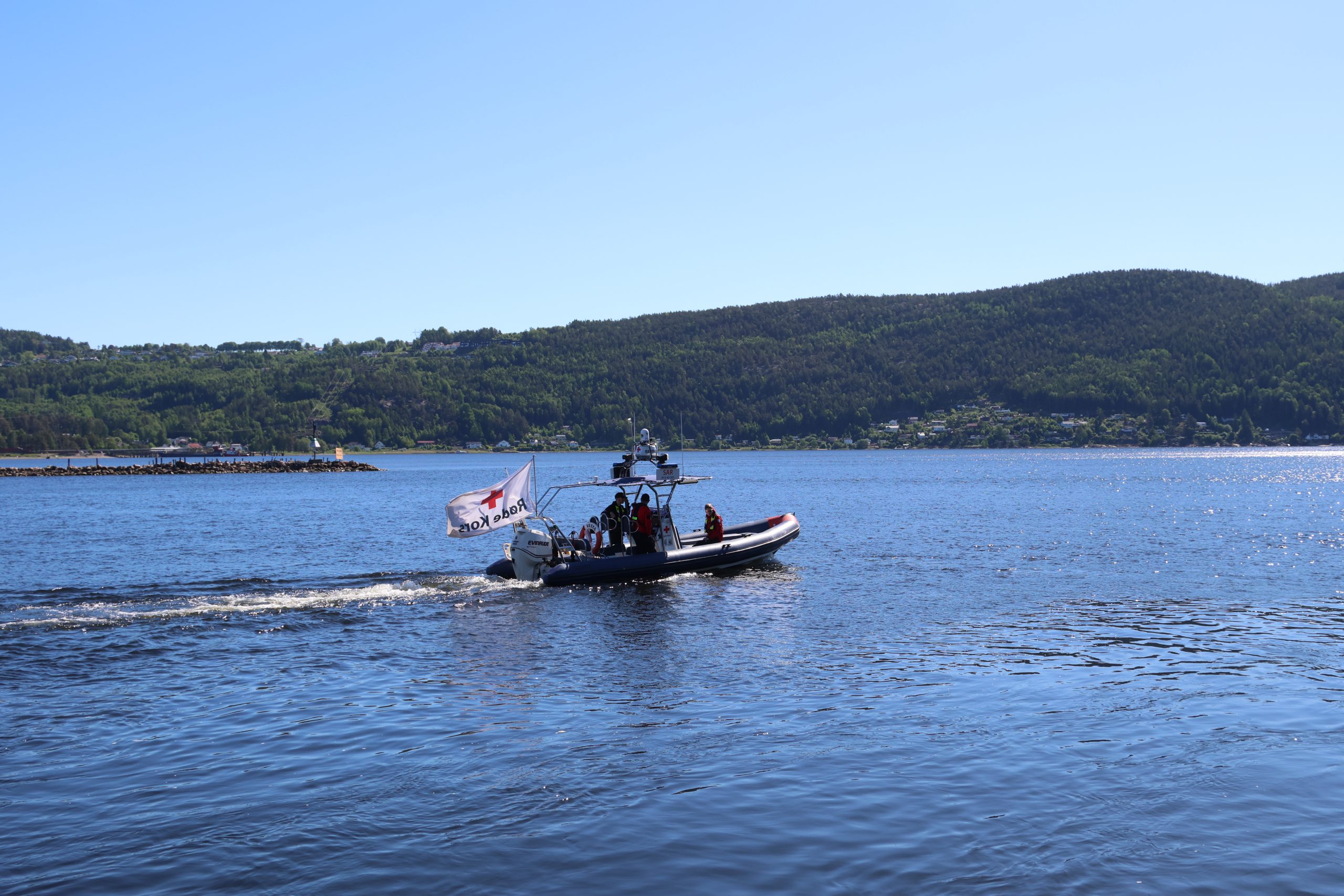
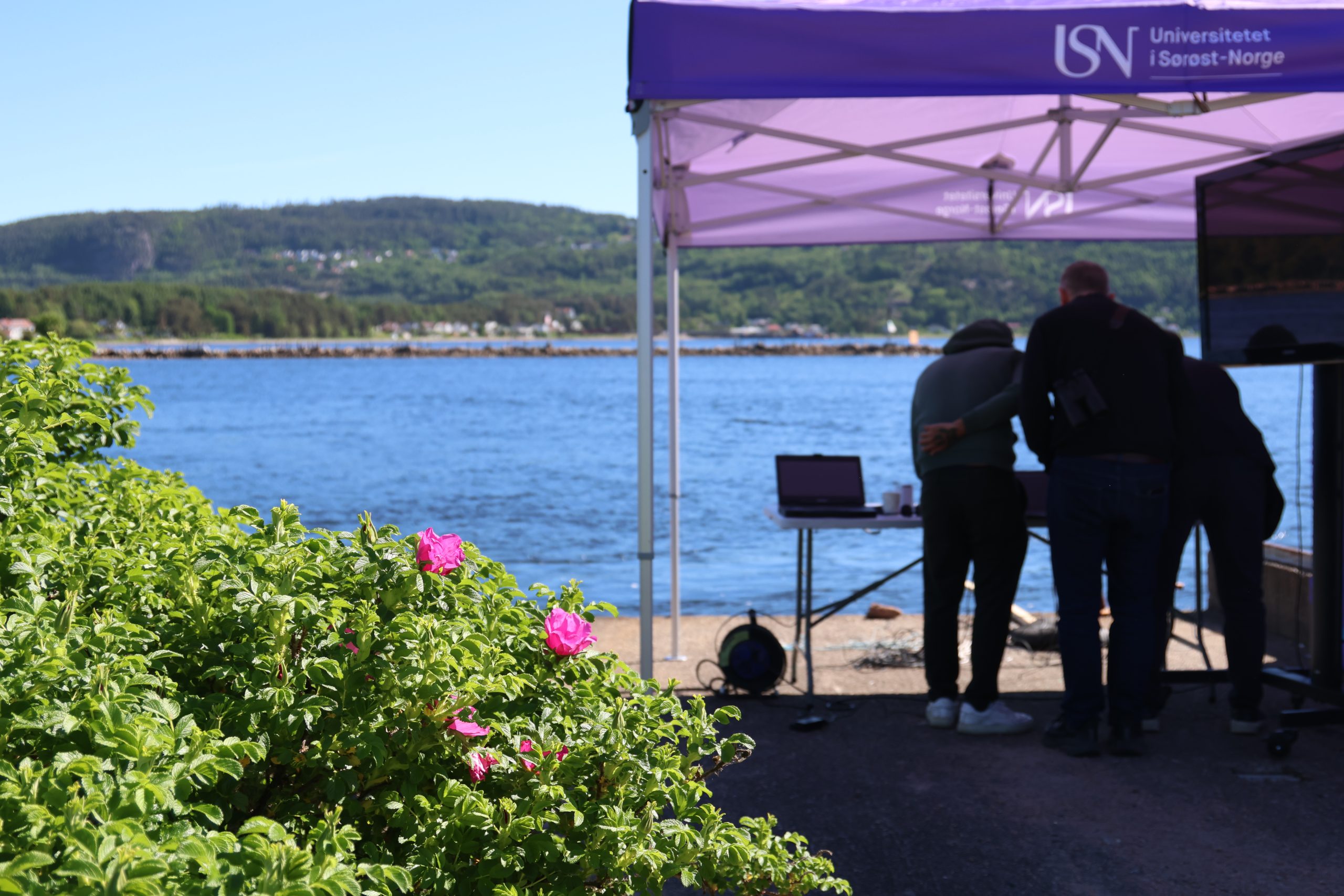
The Norwegian pilot spans two interconnected operational
environments: the Port of Drammen and the Svelvikrenna Strait, a
narrow maritime corridor connecting the Oslo Fjord with the port area.
Svelvikrenna serves as the first monitoring zone, where hydrophone
systems continuously detect and classify vessel traffic entering the fjord.
Further inland, the Port of Drammen represents the protected critical
infrastructure area, handling strategic cargo, vehicles and military
equipment.
This combination creates an ideal environment for testing SMAUG's
multi-layered surveillance capabilities, allowing threats to be detected at
a distance, verified through autonomous assets and monitored
throughout their approach to the port.
The Scenario
The pilot unfolded through a combination of bridge simulation and
operational demonstrations designed to recreate realistic maritime
security situations.
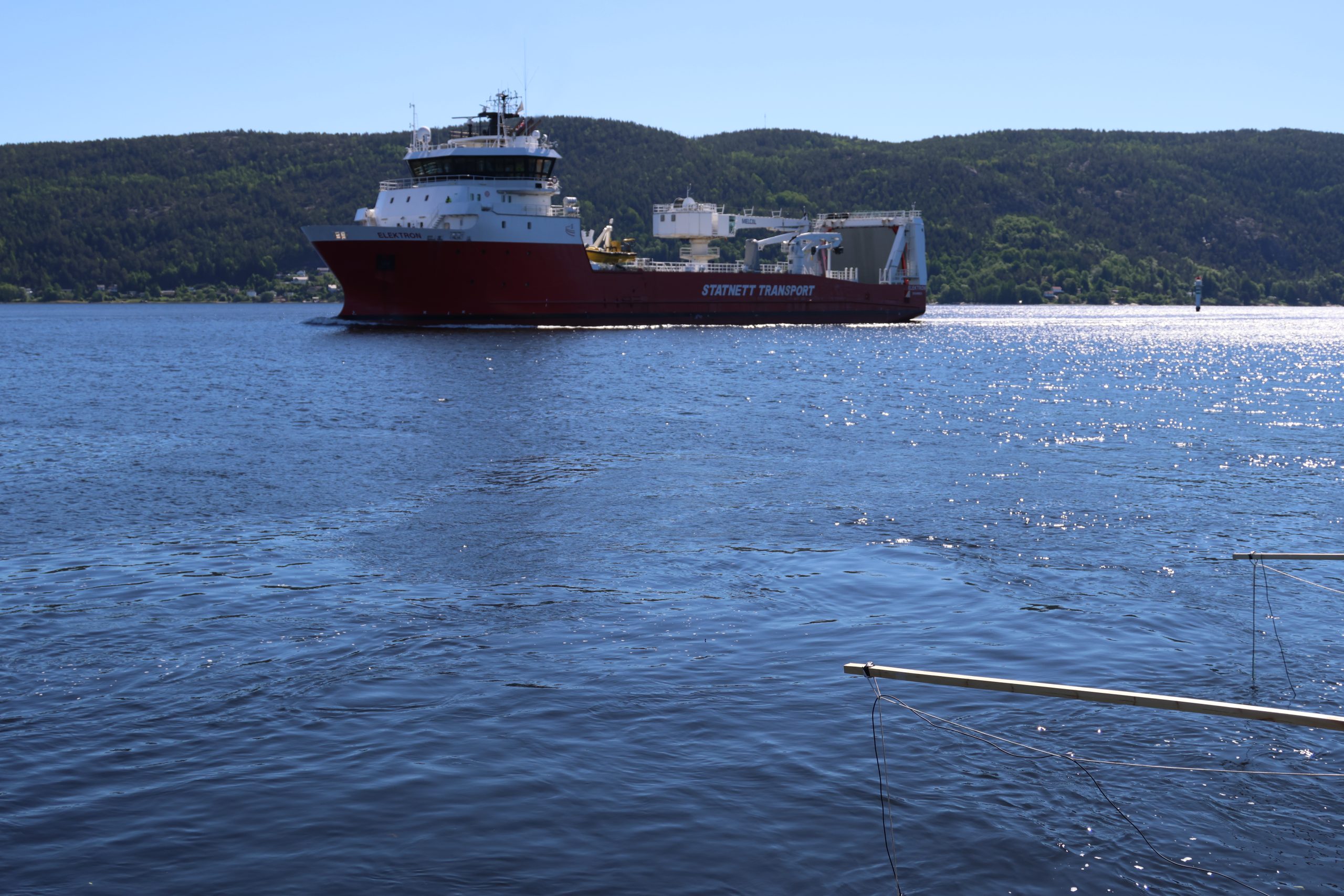
The demonstration followed vessel movements from the
Svelvikrenna Strait towards the Port of Drammen, allowing SMAUG
technologies to monitor, verify and assess maritime activity across
the entire operational area.
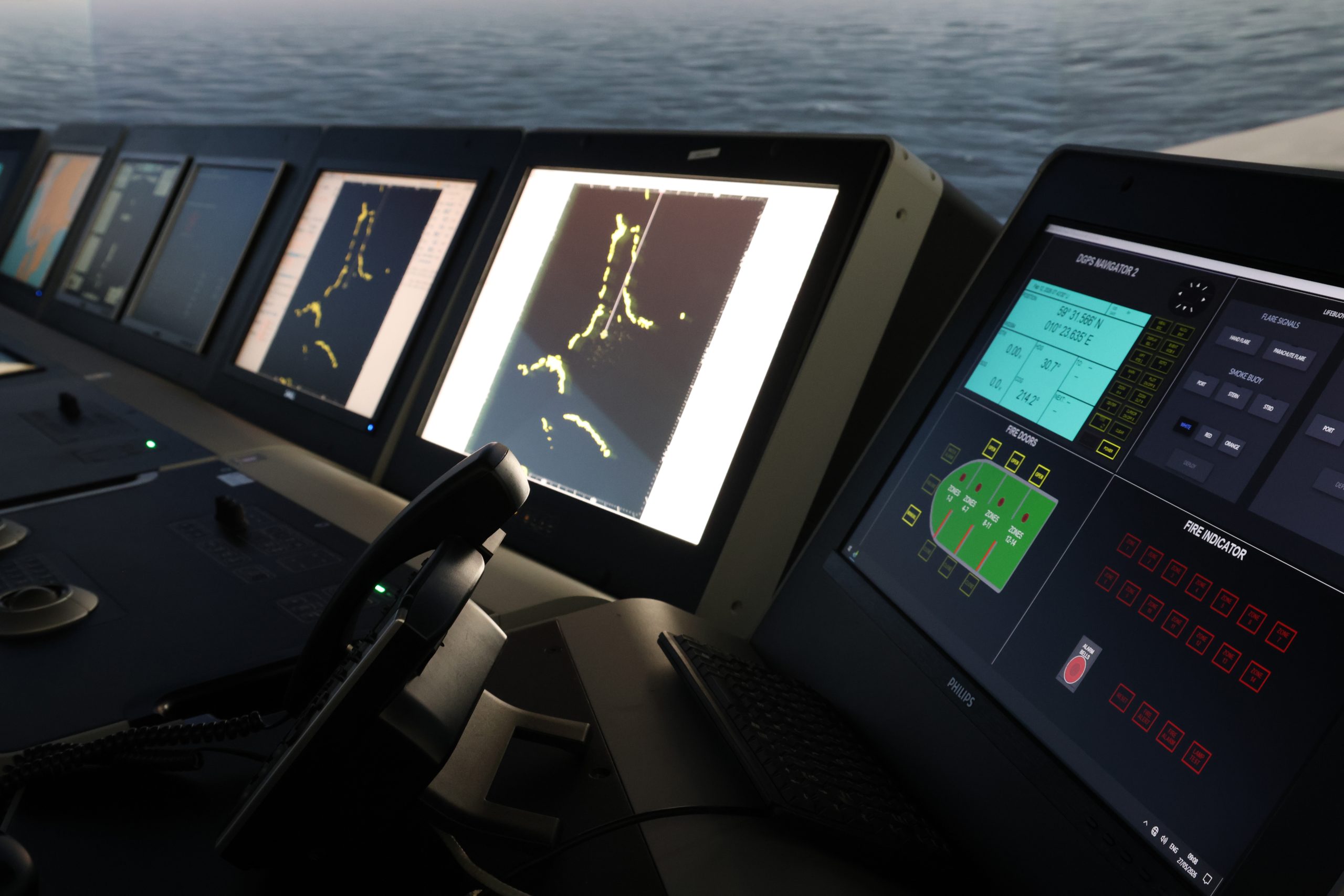
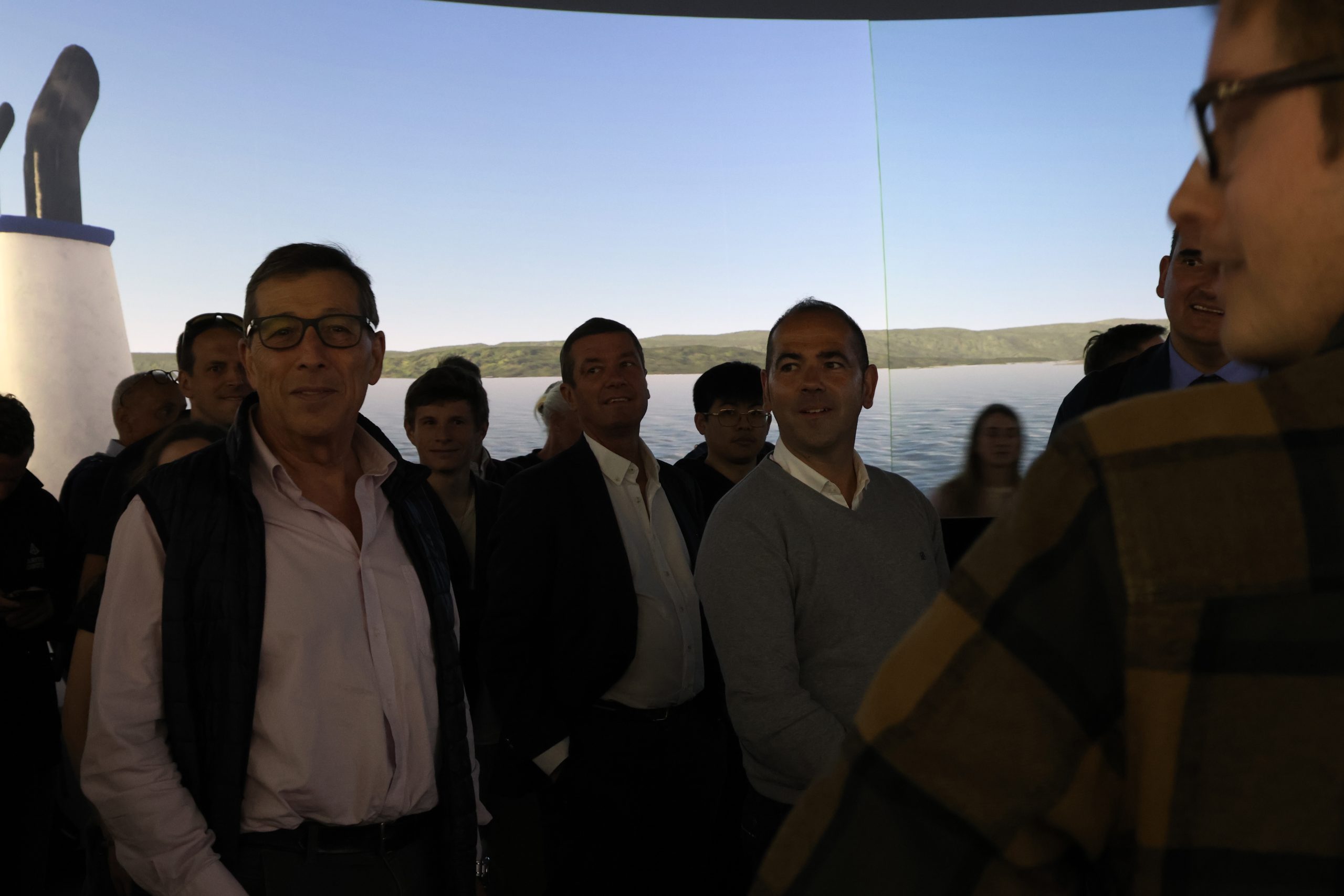
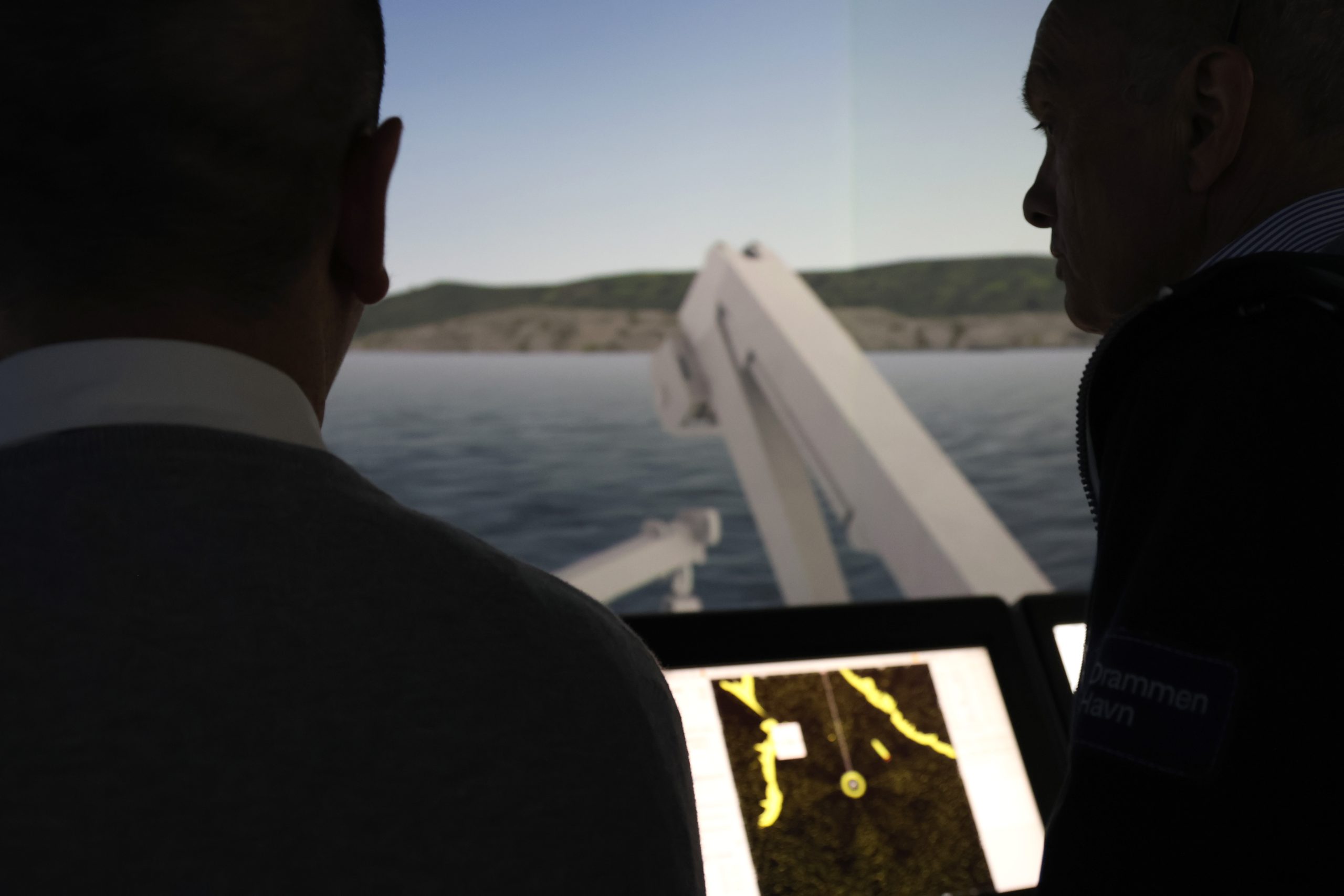
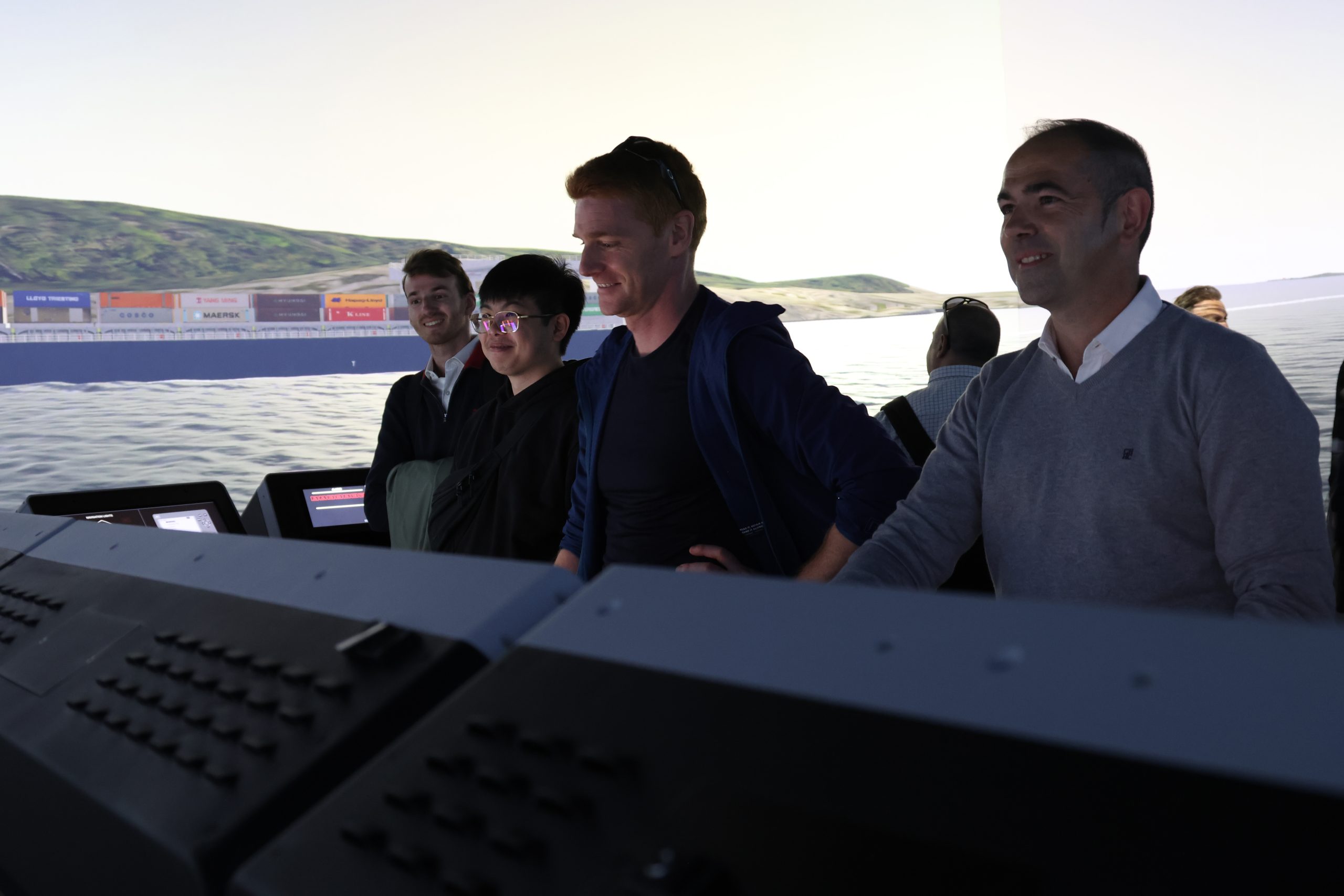
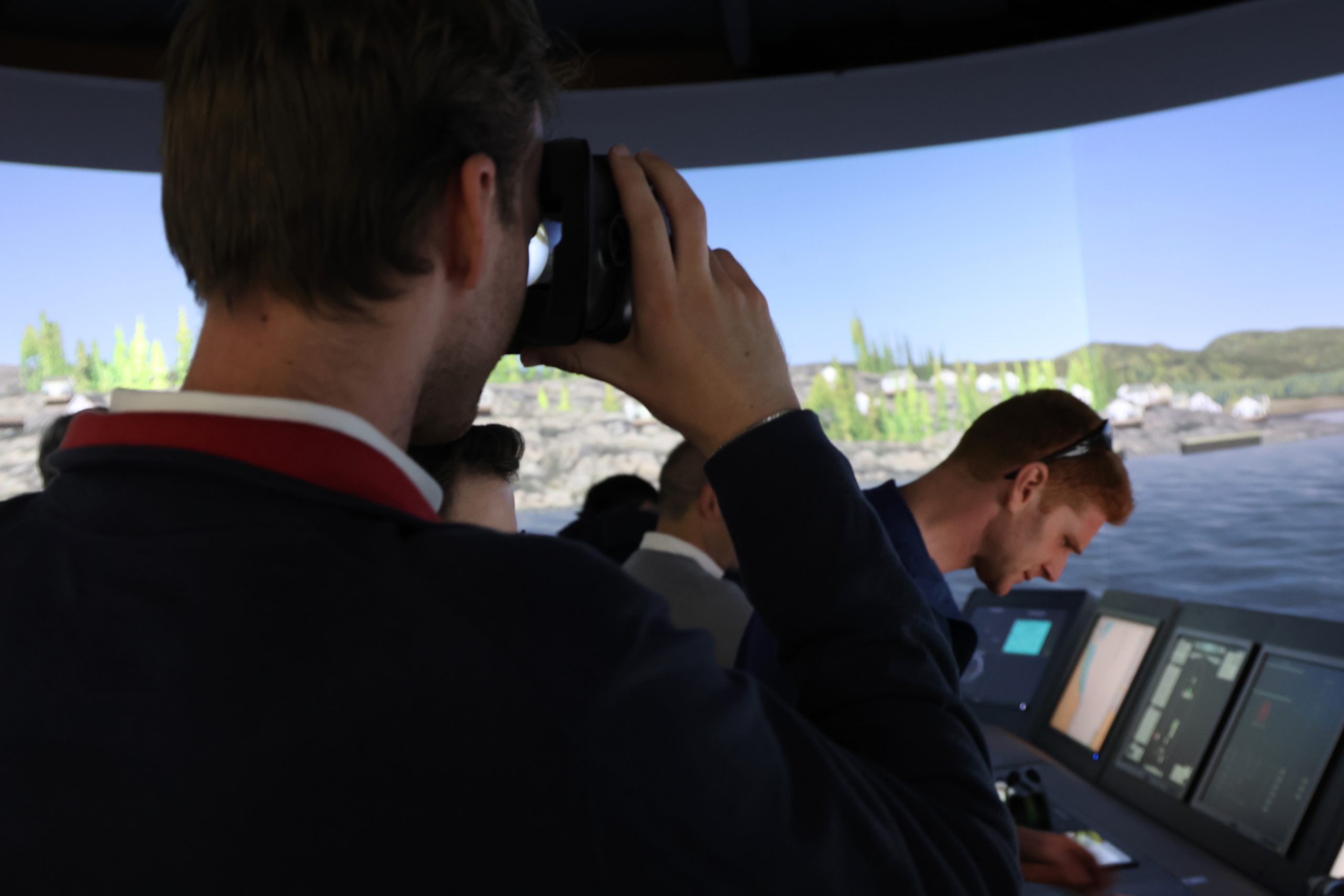
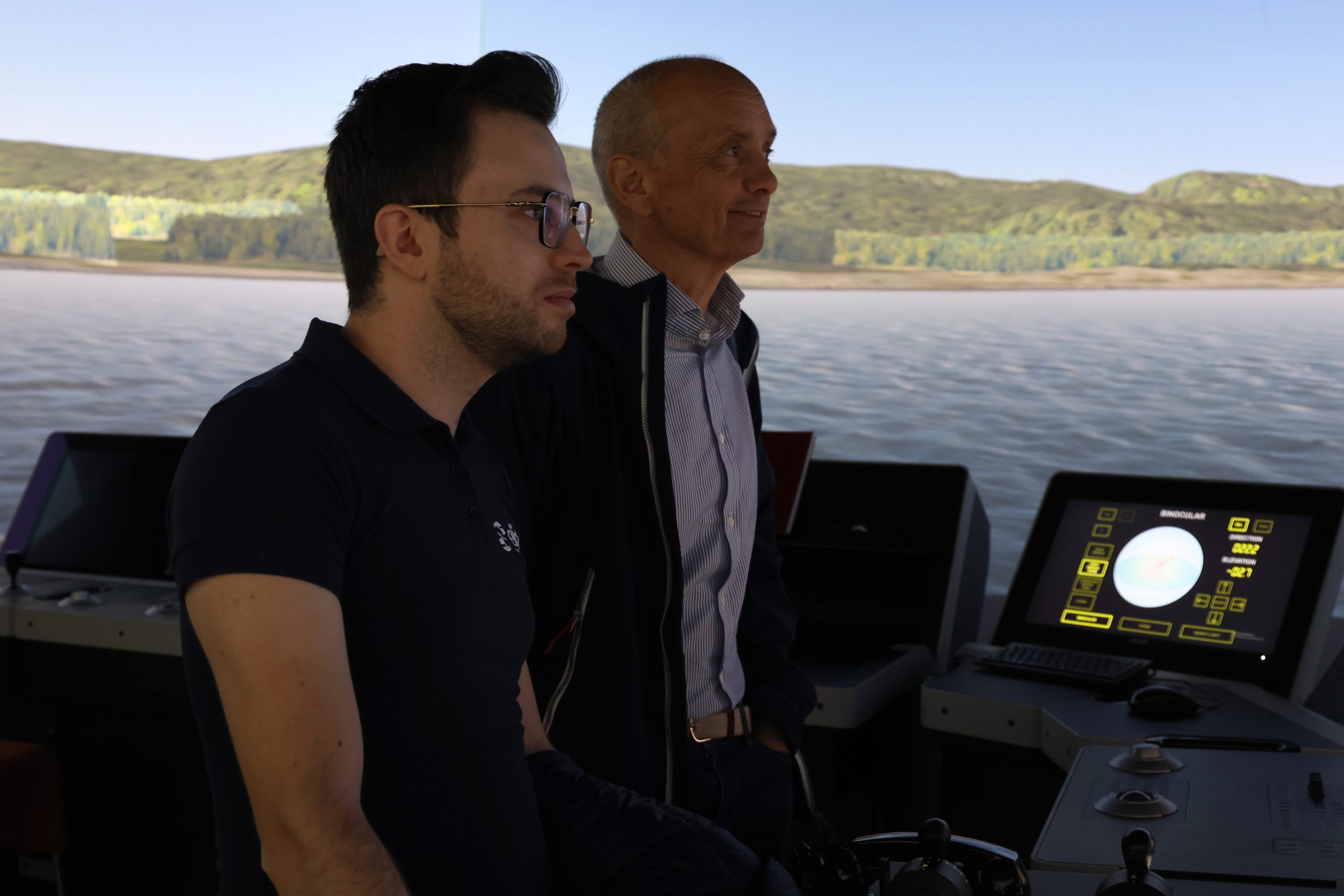
Inside the University of South-Eastern Norway's bridge simulation
laboratory, multiple simulated vessels navigated through scenarios
representative of the Drammen operational environment. At the same
time, a simulated Control Center received and processed information
generated by SMAUG's integrated surveillance systems.
The objective: detect anomalies, verify vessel identities and support
operators in responding to potential maritime threats before they
escalate.
The objective: detect anomalies, verify vessel identities and support
operators in responding to potential maritime threats before they
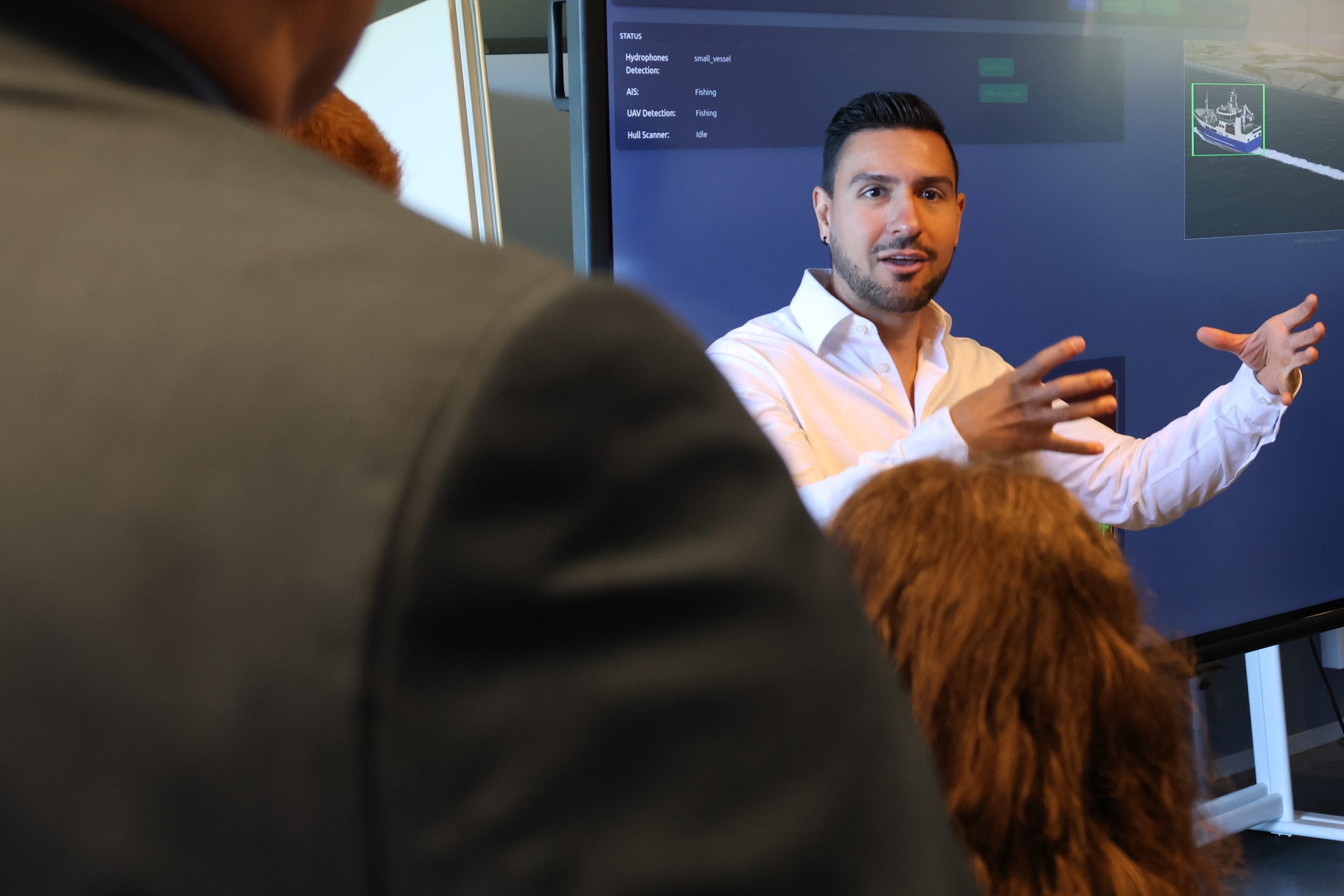
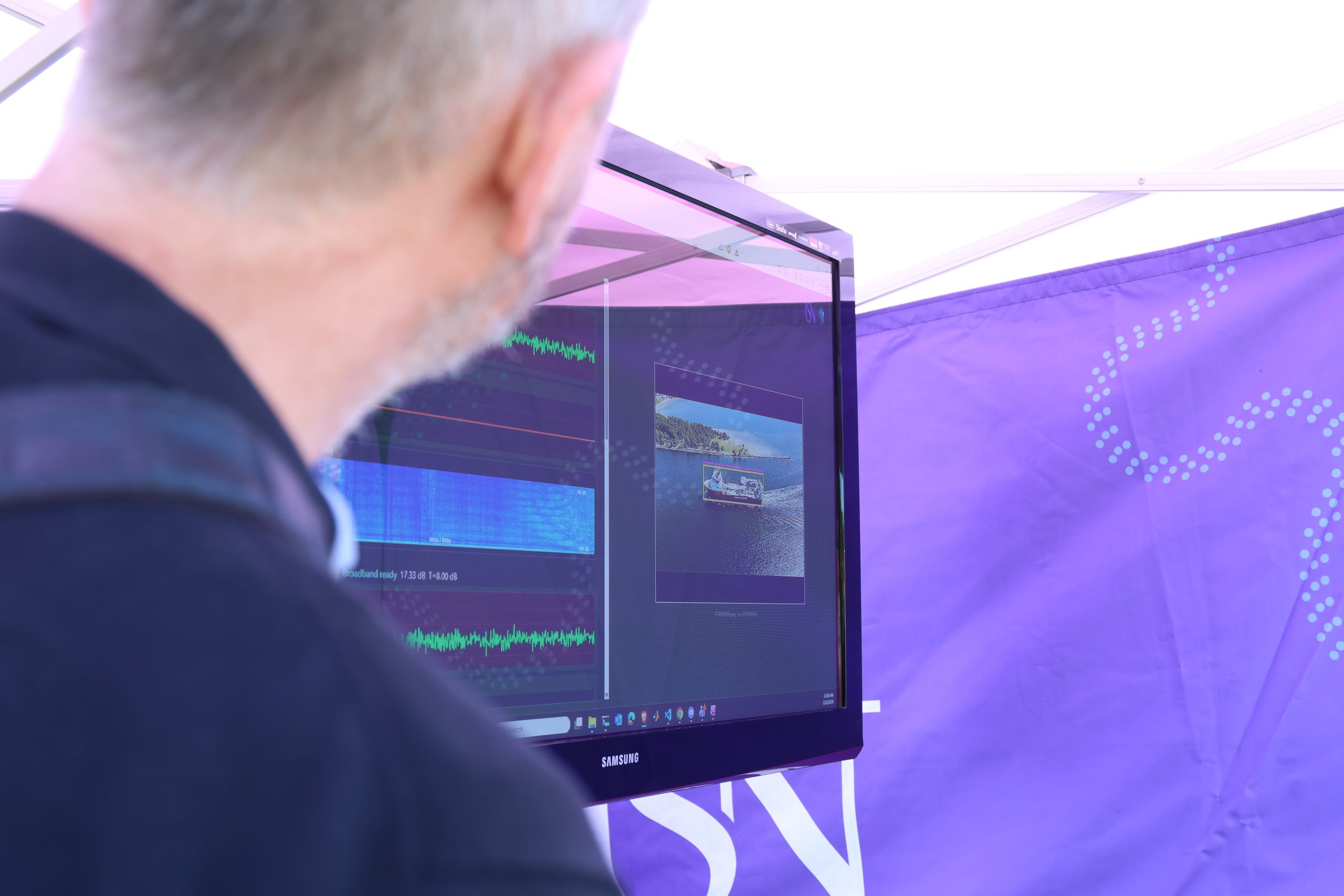
escalate.Hydrophones continuously monitored vessel activity and classified
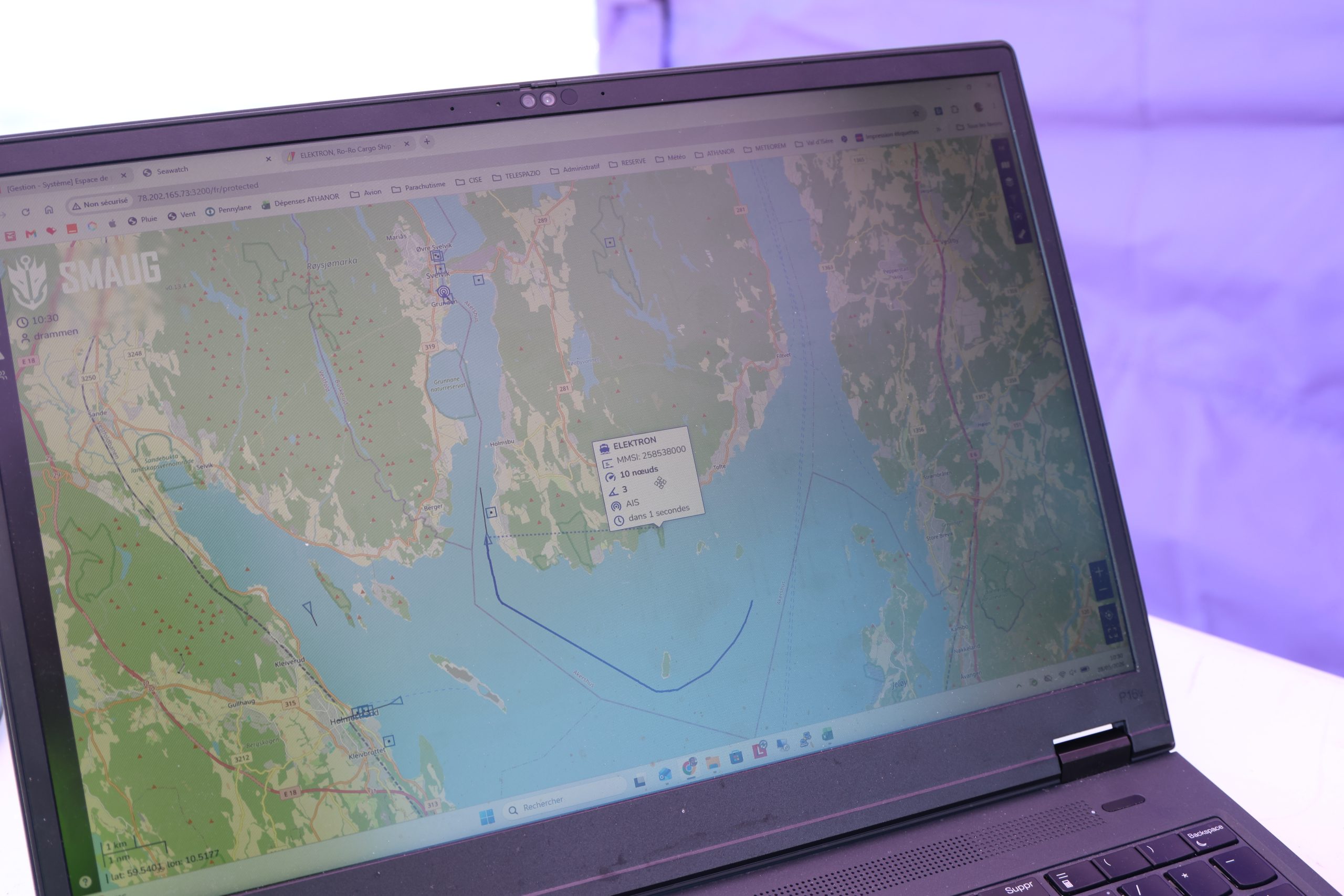
acoustic signatures. ATHANOR's AIS module correlated detected
vessels with identification data, while satellite monitoring capabilities
contributed additional situational awareness.
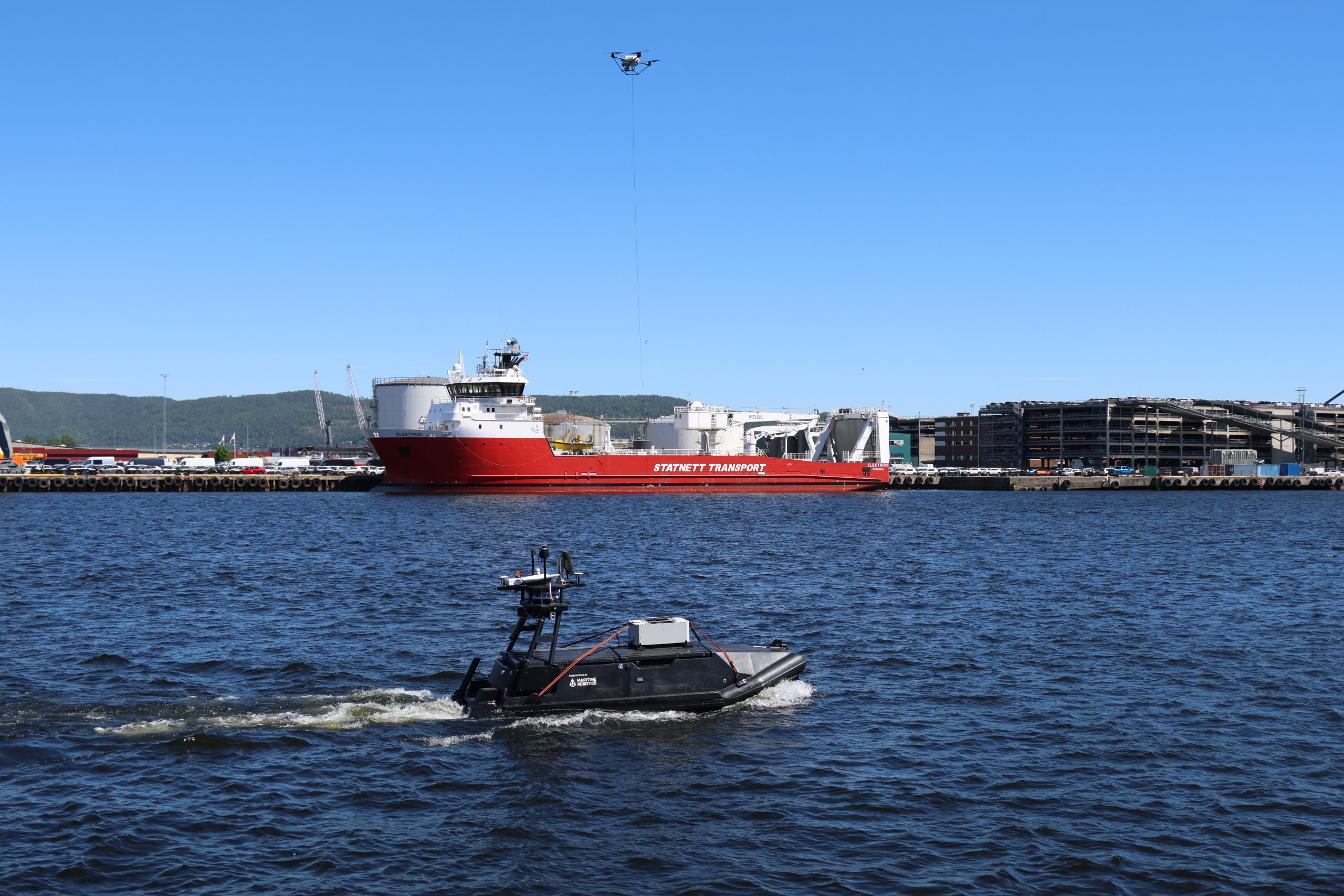
Whenever inconsistencies emerged between acoustic detections and
AIS information, Elistair's tethered UAV was deployed to perform aerial
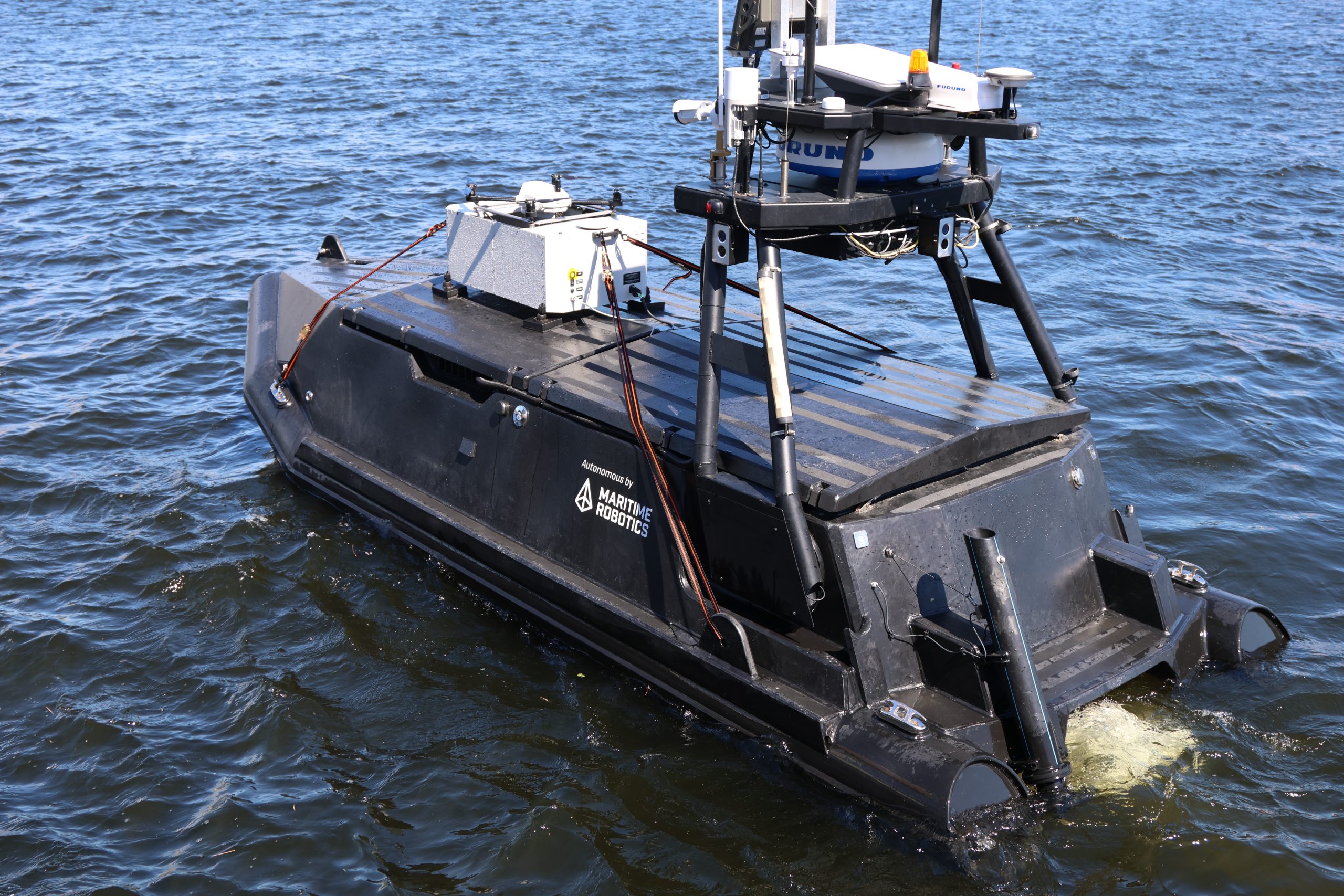
verification. In higher-risk situations, MAROB's autonomous surface
vessel carried out additional inspections and active sonar operations.
The demonstration included multiple operational situations ranging
from legitimate vessel identification to suspicious vessel behaviour,
unidentified acoustic events and the discovery of a potential underwater
threat.
The result: a fully integrated maritime security workflow capable of
detecting, verifying, and responding to threats through
coordinated, autonomous, and human decision-making processes.
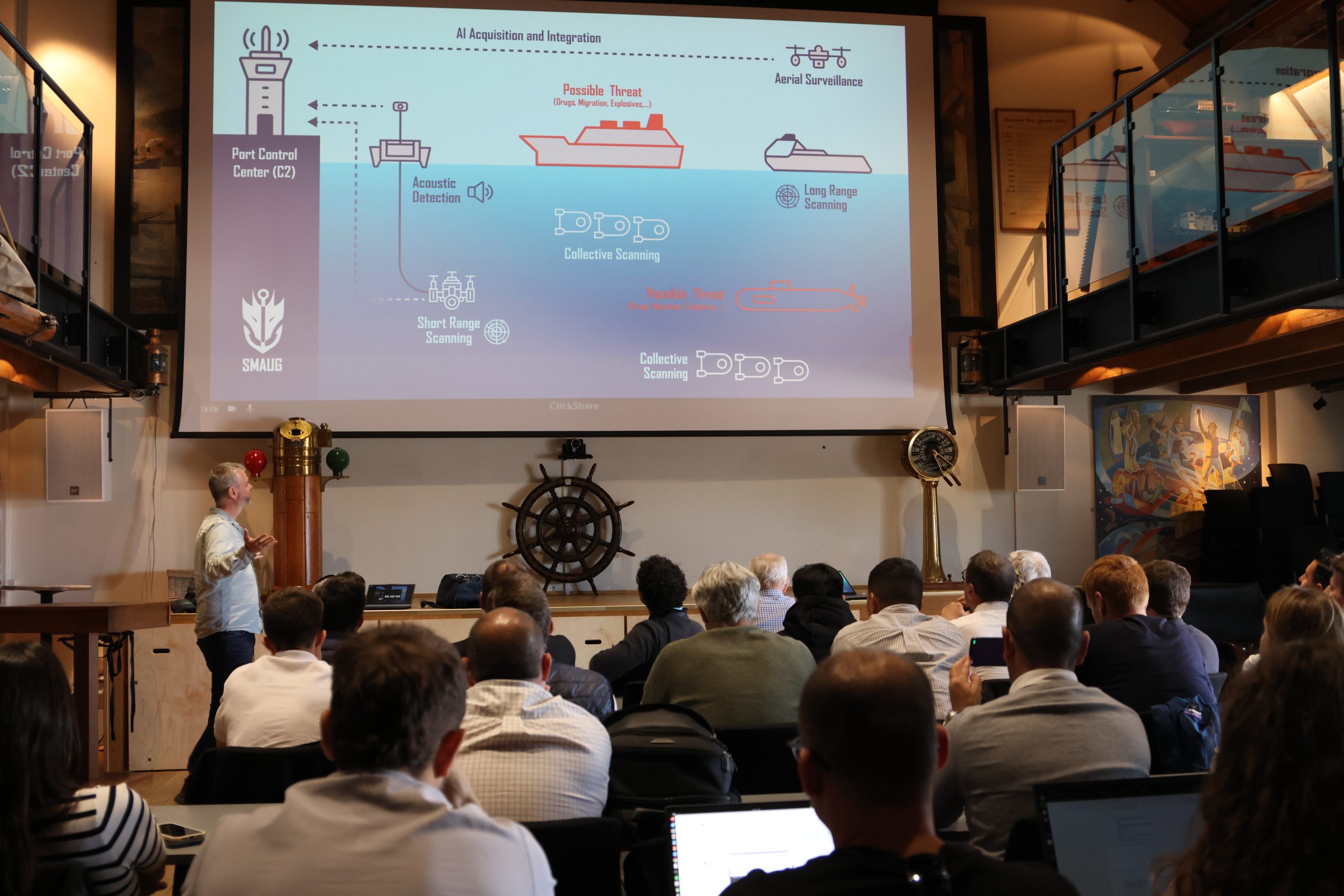
The pilot demonstrated how SMAUG's layered approach combines
underwater sensing, aerial surveillance, autonomous surface
operations and intelligent data fusion into a single operational picture.